

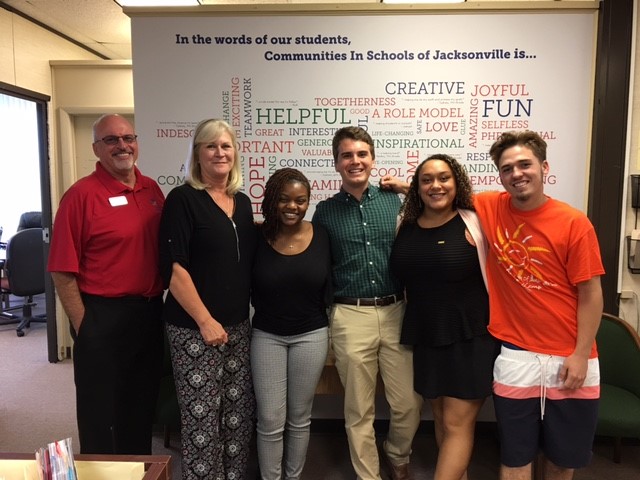

A student listens differently when the speaker once sat in the same classroom, walked the same hallway, and faced the same doubts. Advice feels real when it comes from someone who knows the school, the pressure, and the road it takes to move forward. That is why former students giving back can change far more than one event or one school day. It can shape how young people see themselves, what they believe is possible, and how they define success.
Too often, students hear broad messages about working hard, staying focused, and planning for the future. Those messages matter, but they can feel distant. A former student brings those ideas closer. They give a face to effort. They give proof that hard seasons can lead somewhere good. They show that growth is not only for other people or other neighborhoods. It can happen here.
That is where things become more than a feel-good story. It becomes a practical way to build stronger students, stronger schools, and stronger communities. It also becomes a smart area of investment for nonprofits, school partners, donors, and local businesses. When schools and community groups make space for former students giving back, they are not just honoring alumni. They are building living examples of what support, persistence, and care can do over time.
For CIS Jax, this idea fits the work already happening on the ground. Communities In Schools of Jacksonville’s mission is to surround students with a community of support, empowering them to stay in school and achieve in life. CIS Jax has served more than 111,000 individuals since 1990 and has spent 35 years helping students stay on track through support both inside and outside school.
Why former students giving back matters now
Schools are being asked to do more than ever. Teachers are helping students learn, manage stress, build confidence, and prepare for life after graduation. Families are carrying pressure too. Many students are trying to stay focused while dealing with basic needs, mental health concerns, unstable housing, weak attendance, or a lack of trusted adult support. In that kind of setting, students do not just need programs. They need people who make hope feel believable.
Former students can especially do that. They know what it means to struggle in a school setting. They know what it feels like to wonder if anybody notices. They also know how one dedicated staff, one safe space, one useful program, or one steady adult can change the direction of a young life. When they return to give time, guidance, or support, they are not speaking from theory. They are speaking from memory.
That matters because students can tell when encouragement is general and when it is earned. A former student does not have to be famous, wealthy, or perfect to make an impact. In many cases, the most helpful voice is the person who says, “I know this road. I almost gave up, too. Here is what helped me keep going.” That kind of truth lands hard. It stays with students longer than a slogan on a poster.
What does giving back by former students really mean
More than donations and guest talks
Many people hear the phrase former students giving back and think of one speech, one fundraiser, or one social media post. Those things can help, but giving back can be much deeper than that. It can mean guiding students each month. It can mean helping with reading support, career exposure, interview practice, or college readiness. It can mean showing up at after-school sessions, joining panel talks, sponsoring student needs, or opening doors to internships and job-shadowing opportunities.
CIS Jax recently hosted mock interviews with high school students led by alumni, giving students a chance to practice real-world conversations, build confidence, and receive direct feedback from those who once stood in their shoes.
Giving back can also be quiet. Sometimes it looks like listening to a student who is having a rough week. Sometimes it means sharing mistakes, not just wins. Sometimes it means returning to a campus and saying, “You belong in rooms you have not seen yet.” That message can stay with a student for years.
The strongest programs treat former students as part of a support system. That is one reason the idea fits well with CIS Jax. Communities In Schools’ site coordinators work inside partner schools, connect students to resources, and help keep them on a path to graduation. The Alumni Network invites former students to stay connected, grow professionally, and give back to the next generation of students.
Why students trust alumni voices
Students often hear adult advice through a filter. They ask themselves whether the speaker really understands their life, their school, their stress, or their choices. A former student starts with the trust that others have to build. The setting is familiar. The story feels local. The success does not feel borrowed from somewhere else.
This trust matters because students do not need one more polished speech. They need honesty. They need to hear that success may include setbacks, family stress, missed chances, and hard turns. Real stories do not lower standards. They make the standards feel reachable.
That is why student success stories are so important when they come from real people with real ties to the school. They stop success from sounding abstract. They turn it into something concrete. A student can point and say, “That person came from here. That means I can build a future too.”
How former students giving back inspires the next generation
It turns possibility into proof
Young people often struggle not because they lack talent, but because they lack proof. They may not know anyone who has made it through high school, college, training, or a career path they want. They may not know someone who came back after a hard season and built a stable life. When they meet former students who did exactly that, belief becomes easier.
This is the first big reason why former students giving back matters so much. It changes the emotional math in a student’s mind. A future that once felt unlikely starts to feel possible. The distance between “people like me” and “people who succeed” gets smaller.
That shift can shape choices. Students may start attending more often. They may ask for help sooner. They may care more about grades, behavior, or long-term goals. They may join a club, try a reading program, or speak with a caring adult. Change often begins with one basic thought: Maybe I can do this too.
It gives students mirrors and maps
A strong support role model does two things at once. They act as a mirror and a map. The mirror tells students, “You are seen. Your background does not cancel your future.” The map tells them, “Here are the turns, risks, lessons, and habits that helped me move forward.”
That is why student support and real-life exposure can be so strong when alumni are involved. Students are not only hearing what success looks like. They are hearing how it happens. They learn what daily discipline looks like. They hear how to recover from failure. They hear how support systems matter. They hear that asking for help is not a weakness.
The result is practical hope, not empty hope. Practical hope says there is a path, the path may be hard, and support can help you stay on it. That message is honest enough to earn trust and useful enough to drive action.
It makes school feel connected to real life
Students often disconnect when school feels separate from life. They ask why reading matters, why attendance matters, why behavior matters, why long-term planning matters. Former students can answer those questions in a way textbooks cannot. They can connect school to paychecks, college options, business ownership, trade work, health careers, public service, family stability, and self-respect.
When alumni return as speakers or volunteers, they bring real-world context into school spaces. They show that the classroom is not just about passing tests. It is part of building choices later. That matters for students who need a stronger reason to keep showing up.
For organizations that work inside schools, this connection is powerful. CIS Jax says it helps remove barriers to education and connects students and families with support and opportunities. That makes alumni involvement even more useful, because former students can speak directly into the same journey current students are trying to navigate.
Why student success stories change school culture
Stories shape what students believe is normal
Culture is built by repetition. Students notice which stories get told and which ones do not. If the only stories they hear are about problems, discipline, and failure, they start to expect more of the same. If they regularly hear student success stories from people who came through the same school system and still return to help others, the emotional climate begins to shift.
Success stops looking rare. Service stops looking unusual. Growth stops looking like luck. Instead, these things start to feel normal, expected, and worth pursuing.
This is especially important in schools where students carry major outside pressure. In those settings, former students giving back can help break the quiet belief that hardship always wins. Every returning alumnus becomes a reminder that the story is still being written.
Stories create belonging, not just motivation
A lot of school messaging focuses on motivation, but belonging often comes first. Students try harder when they feel they matter. They speak up more when they believe they fit. They stay engaged longer when they feel part of something bigger than a grade report.
Former students help create that sense of belonging. They tell current students, without saying it directly, “This school is part of me. I left, I grew, and I still came back.” That sends a strong message. It says the school is not just a place you pass through. It is a place that can help shape your life.
This kind of belonging can lead to stronger attendance, better relationships, and more willingness to seek help. It also builds pride. Students start to see their school not just as a building, but as a community with memory, people, and meaning.
The impact of steady guidance deeper than most people think
Steady support changes how students respond to struggle
Many students do not need a perfect plan right away. They need a stable voice when things start going wrong. They need someone who helps them pause instead of quitting. A former student can often do that well because they understand how quickly stress can affect school performance.
The impact of that support shows up in small moments before it shows up in major outcomes. A student starts replying to messages. A student begins coming to class more often. A student tries tutoring. A student thinks twice before walking away from school. These shifts may look minor, but they often come before bigger progress.
That kind of support also lowers shame. Students stop feeling like they are the only ones who struggle. When former students share their own rough patches honestly, they make room for current students to be real, too. That honesty builds trust. Trust opens the door to change.
Steady adult support gives students a working model of adulthood
Students do not only learn from what adults say. They learn from how adults carry themselves. They notice tone, patience, problem-solving, follow-through, and how adults treat other people. That is why this kind of support is about more than advice. It is about modeling adulthood in a way that students can watch up close.
A former student who keeps showing up teaches reliability. A former student who listens well teaches respect. A former student who talks about career choices, money, school, and setbacks teaches maturity in real terms.
This matters for students who have had inconsistent support. In many cases, steady guidance works because it adds steadiness. The message is simple: someone is here, someone notices, and someone expects good things from you.
Leadership development starts earlier when students can see it
Leadership is learned through service
A lot of people talk about leadership development as if it starts in college or the workplace. It starts much earlier. It begins when students see responsibility in action. It grows when they are invited to contribute, not just consume. It strengthens when they learn that leadership is not about status. It is about service, choices, and example.
Former students are well placed to teach this. They can explain that leadership may look like helping a younger student read, managing time well, showing respect, or speaking up for a friend. They can show that leadership is not reserved for class presidents or top performers. It is open to any student willing to take responsibility.
This message matters because it broadens the door. Students who may not see themselves as “leaders” begin to understand that leadership development can begin in ordinary moments. It can begin with attitude, consistency, and care for others.
Alumni giving back builds leaders on both sides
There is another side to this topic that often gets missed. Former students giving back not only helps current students. It also strengthens the former students themselves. Service sharpens their own leadership, patience, and sense of purpose. It helps them reflect on where they came from and what they value now.
That creates a healthy cycle. Current students receive support. Former students grow through service. Schools and nonprofits gain stronger community ties. The community gets adults who are more invested in local youth and education.
This cycle is especially valuable in school-centered support programs. When alumni return to help, the message is clear: success is not only personal. It carries a duty to care about the people coming after you.
What this can look like in practice inside school communities
Small, steady contact beats one-time events
The best alumni involvement is not always flashy. One annual assembly can be nice, but steady contact usually works better. Monthly group sessions, reading sessions, check-ins, career talks, college prep evenings, and family resource events often have a stronger long-term effect than one big day.
That is because trust grows through repetition. Students need time to believe adults mean what they say. They need time to ask real questions. They need time to see that familiar, supportive faces will still show up after the first applause fades.
This is where program structure matters. Schools and nonprofits should not treat alumni involvement as a side activity. It should be built into a calendar, supported by staff, and connected to student needs.
Support should match real student goals
A strong program also respects that students are not all in the same place. Some need help with reading. Some need emotional support. Some need exposure to jobs and career paths. Some need simple encouragement to stay engaged in school. Some need adult help connecting school effort to plans.
CIS Jax supports students through programs like case management, literacy, afterschool, and workforce development. Those areas create natural entry points for alumni involvement. A former student can support reading growth, speak to afterschool groups, contribute to workforce readiness efforts, or encourage students who are at risk of falling behind. Through these, students gain practical experience while learning directly from alumni who understand the journey.
Families should be part of the process
Student growth gets stronger when families are included. Former students can help families, too, by showing what support looked like from their side and what helped them stay on track. That kind of insight can build trust between schools, students, and homes.
Families often respond well to local voices. A former student who says, “Someone stood by me, and it made a difference,” can often say more in five minutes than a formal brochure says in five pages. It feels real because it is real.
Why CIS Jax is a strong fit for this work
The mission already centers on support and relationships
Some organizations are built for this kind of work. CIS Jax is one of them. Its mission is centered on surrounding students with support so they can stay in school and achieve in life. Its work includes direct help for students and families, positive adult role models, and school-based support that addresses barriers before those barriers grow bigger.
That kind of approach makes alumni engagement more than a nice add-on. It makes it part of a larger support system. Former students are not standing alone. They can be connected to staff, school goals, student needs, and ongoing services.
The Florida context shows the need and the opportunity
The wider data also show why this work matters. In the 2023 to 2024 school year, the Florida CIS profile reported 27,049 total students served across 36 sites. It said 2,213 students were directly case managed, and 24,836 more received integrated supports. The same profile reported 70 percent improved attendance, 94 percent improved behavior, 84 percent improved academics, 94 percent promotion for grades K to 11, 98 percent graduation or GED completion for grade 12, and more than 99 percent stayed in school among case-managed students.
Those numbers matter because they show support is not vague. It leads to visible outcomes. Alumni involvement works best in places where support systems already exist and offer that kind of structure. For Jacksonville, that gives CIS Jax a strong foundation for building alumni-based support, service, and community connection.
How to build a strong former students giving back strategy
Start with relationships, not requests
The first mistake many schools and nonprofits make is asking alumni for help before building a connection. A better path is to reintroduce the relationship. Reach out. Share what is happening now. Invite former students to visit, listen, or speak. Ask what shaped them when they were students. Ask what kind of giving back feels meaningful to them.
People respond better when they feel remembered, not recruited. Former students are more likely to stay involved when the connection feels personal and local.
Give alumni clear roles
Many willing people never help because the invitation is vague. “Come support students sometime” is too broad. Specific roles work better. Read with younger students once a month. Join a career talk panel. Guide one student for a semester. Sponsor school supplies. Support a workforce development event. Help students practice interview skills. Speak during a family engagement evening.
Clear roles lower confusion. They also help staff match alumni strengths with student needs. This leads to better outcomes and stronger retention among volunteers.
Make storytelling honest
Not every story should sound polished. Students can tell when a story is trimmed too neatly. The best student success stories include effort, setbacks, and support. They explain what changed and who helped. They do not fake perfection.
Honest stories build trust. They also stop students from comparing their messy presentation to someone else’s polished ending. That matters because growth usually looks uneven while it is happening.
Track what matters
Programs should measure more than attendance at events. They should ask better questions. Are students building trust with supportive adults? Are they showing stronger attendance? Are they engaging more in support services? Do they report stronger hope, belonging, and future focus? Are alumni returning? Are families more involved?
Good tracking helps programs improve. It also helps donors and partners understand that alumni engagement is not just nice to have. It is a useful part of student support.
Common mistakes that weaken alumni impact
Making it all about inspiration
Inspiration matters, but it is not enough by itself. A student may feel fired up for one day and still face the same barriers the next morning. That is why former students giving back works best when it connects to real support. Encouragement should point students toward tutoring, literacy help, case management, afterschool care, or career guidance.
Using alumni only for photo moments
Students notice when adults are invited mainly for publicity. That weakens trust. Former students should be respected as contributors, not just featured guests. Give them real involvement, real listening, and real ways to stay connected.
Ignoring younger students
People often focus alumni involvement on high school students only, but younger students benefit, too. Elementary and middle school students can gain a great deal from reading support, confidence-building, and early examples of success. A child does not need a full career plan to benefit from seeing what care, discipline, and service look like.
Why this matters to donors, partners, and local businesses
Supporting this work helps schools and communities at the same time
For donors and local partners, this is not only about charity. It is about community strength. Students who stay engaged in school are more likely to build stable futures. Strong support systems can reduce long-term social costs and build healthier neighborhoods. That makes this work practical as well as meaningful.
Communities In Schools describes its affiliate model as a long-term partnership approach for schools and districts and says the model has been refined over almost 50 years through more than 13 independent evaluations. That makes support for local affiliates more than a goodwill gesture. It is an investment in a tested school support approach.
Alumni engagement gives partners a human story to stand behind
Many businesses want to support youth but struggle to find programs that feel grounded and local. A program centered on former students giving back offers something powerful. It is easy to understand. It feels close to home. It connects visible community stories to practical student outcomes.
For a company, that can mean sponsoring initiatives, after-school support, student needs, or workforce development activities through CIS Jax. For civic groups and foundations, it can mean supporting a system that already works inside schools and already understands local student needs. For alumni themselves, it can mean joining a cause that shaped them and now needs their voice.
CIS Jax gives that support to a local home
CIS Jax already has the local mission, program structure, and school-centered presence to turn support into action. Its work spans case management literacy and workforce development is all built around helping students overcome barriers that can interrupt education. That means donors, volunteers, and community partners do not have to start from zero. They can step into work that already has purpose, process, and local roots.
Final thoughts
The strongest sign of a healthy school community is not only what students achieve when they leave. It is whether they feel called to return. That return matters because students believe what they can see. When they see former students giving back, they see proof that growth is possible, support matters, and success can come with responsibility.
That is why this subject deserves more attention from schools, nonprofits, donors, and local businesses. It is about student support, real-life exposure, and leadership development. But most of all, it is about building a cycle of care that does not end at graduation.
For Jacksonville, CIS Jax is well placed to carry that work forward. For the wider network, the model already shows that support tied to real student needs can lead to better outcomes. When former students step back in to guide, encourage, and serve, the next generation gets more than advice. They get a living example of what support can become over time.
Related Tag: Child Literacy Improvement Program