

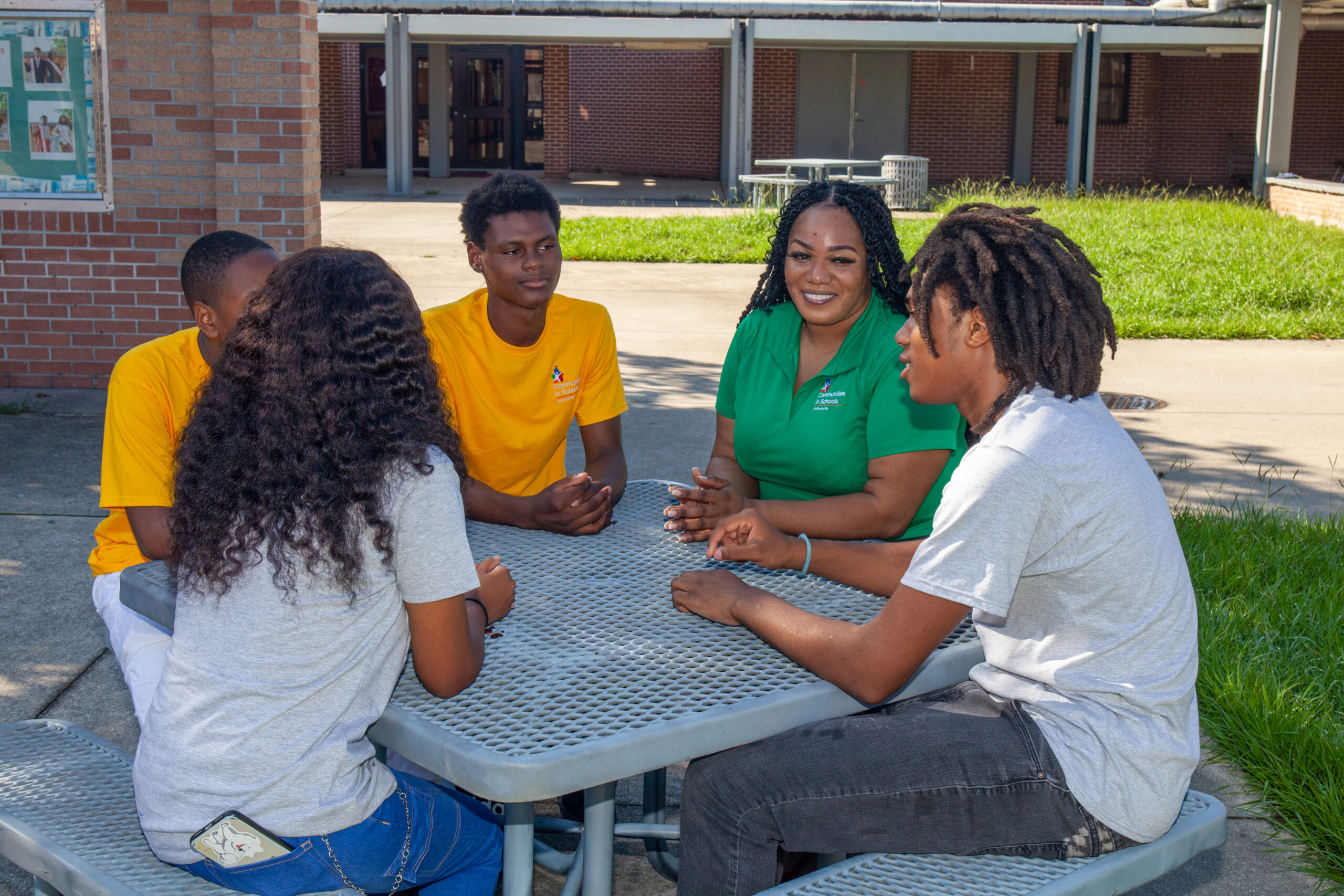

For many students, the transition from school to the workforce can feel overwhelming. Quiet or reserved students, in particular, may face additional challenges, such as a lack of self-confidence or difficulty communicating in group settings. While academic skills are crucial, workforce skills training offers a unique opportunity to help these students grow in areas that truly matter for their futures, like leadership, communication, and teamwork. By gaining hands-on experience and practical skills, these students can gain the confidence they need to thrive in both professional and social settings.
At CIS Jax, we focus on supporting students in all aspects of their growth, offering workforce skills training and enrichment programs designed to build confidence, develop leadership qualities, and prepare students for success. In this article, we’ll explore how workforce skills training helps quiet or reserved students gain the confidence needed to excel in the workplace and beyond.
Why Workforce Skills Training Is Important for All Students
For any student, learning workforce skills is more than just gaining technical expertise. It’s about understanding how to work effectively with others, how to communicate clearly, and how to handle real-world problems. This is especially true for students who may be quieter or more reserved, as they often benefit from the opportunity to develop skills in a supportive, low-pressure environment.
Workforce skills training helps students become familiar with the skilled and trained workforce requirements of today’s job market. These skills are not only valuable in securing employment but also serve as a foundation for self-assurance. Quiet or reserved students may feel more comfortable stepping into roles where they can demonstrate their abilities without the pressure of public speaking or social anxiety. As these students learn new skills, they are often surprised by the confidence they build in their own abilities, proving that quietness doesn’t limit leadership potential—it just requires the right environment to thrive.
How Workforce Skills Training Helps Build Confidence in Quiet Students?
Workforce skills training programs offer a safe space for quiet or reserved students to explore their potential. Here’s how these programs build confidence:
1. Hands-On Learning Builds Practical Skills
Many quiet students struggle with abstract concepts or academic environments that don’t connect to real-life situations. Workforce skills training is different; it’s rooted in practical, hands-on learning. Whether it’s learning to communicate effectively, manage time, or work with technology, students can directly apply what they learn in realistic scenarios.
Why this works for quiet students:
- Hands-on experience: Rather than simply memorizing facts, students gain real-world experience that boosts their self-esteem.
- Clear results: As they complete projects or tasks, they see the direct impact of their work, which reinforces their sense of capability.
- Reinforces strengths: For quiet students who may not be comfortable in traditional classroom settings, hands-on learning allows them to shine by showing what they can do.
Also Read: Developing Emotional Intelligence in Kids Through Group Activities
2. Developing Communication Skills in a Supportive Environment
Communication can be a significant challenge for quiet students, especially when it comes to expressing ideas or working in groups. Workforce skills training often includes activities designed to help students improve these skills, such as role-playing, problem-solving tasks, and group discussions. These activities encourage students to speak up, share their thoughts, and listen to others in a structured and low-pressure environment.
Why this works for quiet students:
- Low-pressure settings: By practicing communication skills in a controlled environment, students can build their confidence without fear of judgment.
- Gradual exposure: Over time, students become more comfortable speaking up in front of others, even in large groups or more professional settings.
- Team-building opportunities: Learning how to collaborate with peers fosters a sense of belonging, which can further boost confidence.
3. Encouraging Leadership Skills
Many quiet students don’t initially see themselves as leaders. However, workforce skills training often encourages students to take initiative, whether in small group projects or larger tasks. This helps them develop leadership skills by guiding their peers, organizing tasks, or offering solutions to problems.
Why this works for quiet students:
- Leadership is not just loud: Quiet students can excel in leadership roles that don’t require constant speaking or extroverted behavior. Instead, leadership can come from thoughtful decision-making, listening to others, and supporting the team.
- Growth opportunities: Leadership training provides students with the tools they need to lead confidently without feeling forced to be extroverted.
- Self-awareness: As they explore leadership styles, quiet students can better understand how they can contribute in ways that align with their personality and strengths.
The Role of CIS Jax’s Programs in Building Confidence
In addition to workforce skills training, student enrichment programs play an essential role in helping students grow, especially those who are more reserved. These programs can complement workforce training by offering opportunities to develop emotional intelligence, leadership qualities, and social skills—all of which contribute to greater self-confidence.
1. Emotional Intelligence and Self-Awareness
Enrichment programs often include activities that focus on emotional intelligence (EQ)—the ability to recognize, understand, and manage emotions in oneself and others. For quiet students, developing EQ can be a key factor in boosting confidence. When students understand their own emotions, they can manage anxiety, frustration, or self-doubt more effectively. This self-awareness also helps them communicate better with others, as they can recognize how their emotions influence their behavior.
Why this works for quiet students:
- Increased self-awareness: Students become more conscious of their strengths and areas of growth, which helps them navigate difficult situations with confidence.
- Improved relationships: By understanding the emotions of others, quiet students can build stronger connections with peers and mentors, which enhances their social confidence.
- Stress management: Developing EQ helps students manage stress and stay calm in high-pressure situations, which is invaluable in both school and the workforce.
2. Expanding Comfort Zones Through Group Activities
Many quiet students tend to stay within their comfort zones, avoiding situations where they might need to speak up or take risks. Enrichment programs often include group activities, discussions, and collaborative projects that gently push students to step outside their comfort zones. By working with others in a supportive environment, students begin to take risks in a safe space, gradually becoming more comfortable with the idea of participating and contributing.
Why this works for quiet students:
- Safe socialization: Group activities give reserved students the chance to interact with others in a low-pressure environment, where they can gradually build their social confidence.
- Exposure to new challenges: Taking on new roles or responsibilities within group activities allows students to stretch their boundaries and gain confidence through achievement.
- Supportive peer interaction: Working with peers in a structured setting helps quiet students build relationships and gain confidence in group dynamics.
Learn About: Building Strong Communication Skills in Teenagers Through Group Activities
3. Encouraging a Growth Mindset
Many students, especially those who are more reserved, may feel like they aren’t “good enough” or capable of succeeding in certain areas. Student enrichment programs often foster a growth mindset, the belief that abilities and intelligence can be developed through dedication and hard work. This mindset encourages students to embrace challenges, learn from mistakes, and persist in the face of setbacks.
Why this works for quiet students:
- Overcoming self-doubt: A growth mindset allows students to view challenges as opportunities to grow, which can boost their confidence.
- Emphasis on progress: Instead of focusing on immediate success, students learn to celebrate their progress, which builds a sense of accomplishment.
- Resilience: By developing a growth mindset, students become more resilient and less likely to give up when faced with difficulties.
How Workforce Skills Training Prepares Students for a Skilled and Trained Workforce
As students progress through workforce skills training, they are not only learning specific job skills but are also preparing to enter a skilled and trained workforce, a critical need in today’s economy. Developing these skills helps students meet workforce skill and training requirements and positions them for success in their careers. But beyond that, workforce training helps them understand the expectations of professional environments, from effective communication to problem-solving and time management.
1. Preparing for Real-World Challenges
Workforce skills training often mirrors the expectations and challenges students will face once they enter the workforce. By dealing with real-world scenarios, students become accustomed to the pressures and demands of their future jobs. This not only builds their competence but also their confidence in handling professional responsibilities.
Why this works for quiet students:
- Simulation of real-life tasks: The hands-on, practical nature of the training prepares students for the realities of the workplace, helping them feel more confident when faced with real challenges.
- Exposure to expectations: Students gain an understanding of the skills, behaviors, and attitudes expected in the workplace, which reduces anxiety and prepares them for success.
2. Gaining Recognition and Building Professional Identity
By completing workforce skills training, students earn recognition for their newly acquired skills. This recognition can be a significant confidence booster, especially for quiet students who may not always seek out attention. Gaining a certification, completing a project, or receiving positive feedback can validate their abilities and build their professional identity.
Why this works for quiet students:
- Validation of abilities: Quiet students gain confidence when their skills are acknowledged and celebrated, reinforcing their sense of worth.
- Professional growth: Recognizing their progress helps students feel capable and ready to step into professional roles.
FAQs
1. What is workforce skills training, and how can it help quiet or reserved students?
Workforce skills training refers to structured programs designed to teach students essential skills needed for success in the workplace. These programs focus on practical abilities such as communication, problem-solving, time management, and teamwork. For quiet or reserved students, workforce skills training helps build confidence by providing a safe space to develop these skills in a supportive, low-pressure environment. It also encourages hands-on learning and real-world application, which helps students see the direct results of their efforts, boosting their self-esteem.
2. How does workforce skills training improve communication skills for shy students?
Many quiet or reserved students struggle with communication, especially in group settings. Workforce skills training often includes activities that encourage these students to practice speaking and listening in structured environments. For example, group discussions, role-playing, and collaborative projects allow students to improve their communication skills without the pressure of speaking in front of large audiences. As these students gain confidence in smaller, supportive groups, they gradually become more comfortable speaking in a variety of settings, both in the classroom and the workplace.
3. What specific skills are taught in workforce skills training programs?
Workforce skills training programs typically cover a variety of practical skills that are critical for success in most jobs. Some of the key skills include:
- Communication: How to effectively express ideas and listen to others.
- Teamwork: Collaborating with peers to accomplish shared goals.
- Problem-solving: Finding solutions to workplace challenges.
- Time management: Managing tasks and deadlines efficiently.
- Leadership: Taking initiative and guiding teams when needed.
For quiet or reserved students, these programs help them practice and refine these skills in a safe and structured setting, gradually building their confidence as they succeed in these areas.
4. Can workforce skills training help reserved students with leadership development?
Yes, workforce skills training is an excellent way for reserved students to develop leadership skills. Many shy or introverted students may not see themselves as natural leaders, but leadership comes in many forms. In a workforce skills training program, students are given opportunities to take on leadership roles in group projects, guiding their peers, making decisions, and finding solutions to problems. By practicing leadership in a non-threatening environment, these students gain confidence in their abilities to lead, even if their leadership style is more subtle or supportive rather than outspoken.
5. How does the CIS Jax program complement workforce skills training for quiet students?
Our programs are designed to support students’ personal growth and development. These programs often focus on building emotional intelligence, teamwork, and social skills. When combined with workforce skills training, student enrichment programs provide a holistic approach to building confidence. They help quiet students develop their emotional awareness, manage stress, and improve social interactions, which enhances their overall well-being. As they gain these personal skills, they are more likely to engage in workforce skills training with greater confidence and a positive outlook.
Conclusion
Workforce skills training plays a vital role in helping all students, particularly those who are quiet or reserved, gain the confidence they need to succeed in both the workplace and life. By focusing on practical skills, communication, leadership, and personal growth, these programs provide an invaluable opportunity for students to develop the self-assurance needed to thrive in their careers. At CIS Jax, we’re committed to equipping students with the tools they need to build confidence, overcome challenges, and contribute to the skilled and trained workforce of tomorrow. Through hands-on training and student enrichment programs, we help quiet students realize their full potential, showing them that their voices and talents matter just as much as anyone else’s.
Related Tag: Child Literacy Improvement Program