


A student can earn strong grades, complete every assignment, and score well on exams, yet still feel unprepared when college begins. The reason is simple: college asks students to do more than understand course material. They must manage their time, communicate with professors, work with classmates, handle setbacks, and make decisions without constant direction from parents or teachers.
These everyday demands can catch students off guard. A missed deadline, a confusing group project, or a difficult conversation with a professor can become a major source of stress when a student has not had much practice handling such situations.
This is why soft skills for high school students deserve a place in college preparation. Academic knowledge helps students enter college, but personal and social skills help them take part in campus life, manage responsibilities, and make steady progress toward their goals.
High school is an important time to develop these abilities. Students can practice speaking up, listening to others, managing competing priorities, and responding to challenges while they still have guidance from teachers, counselors, families, and youth programs.
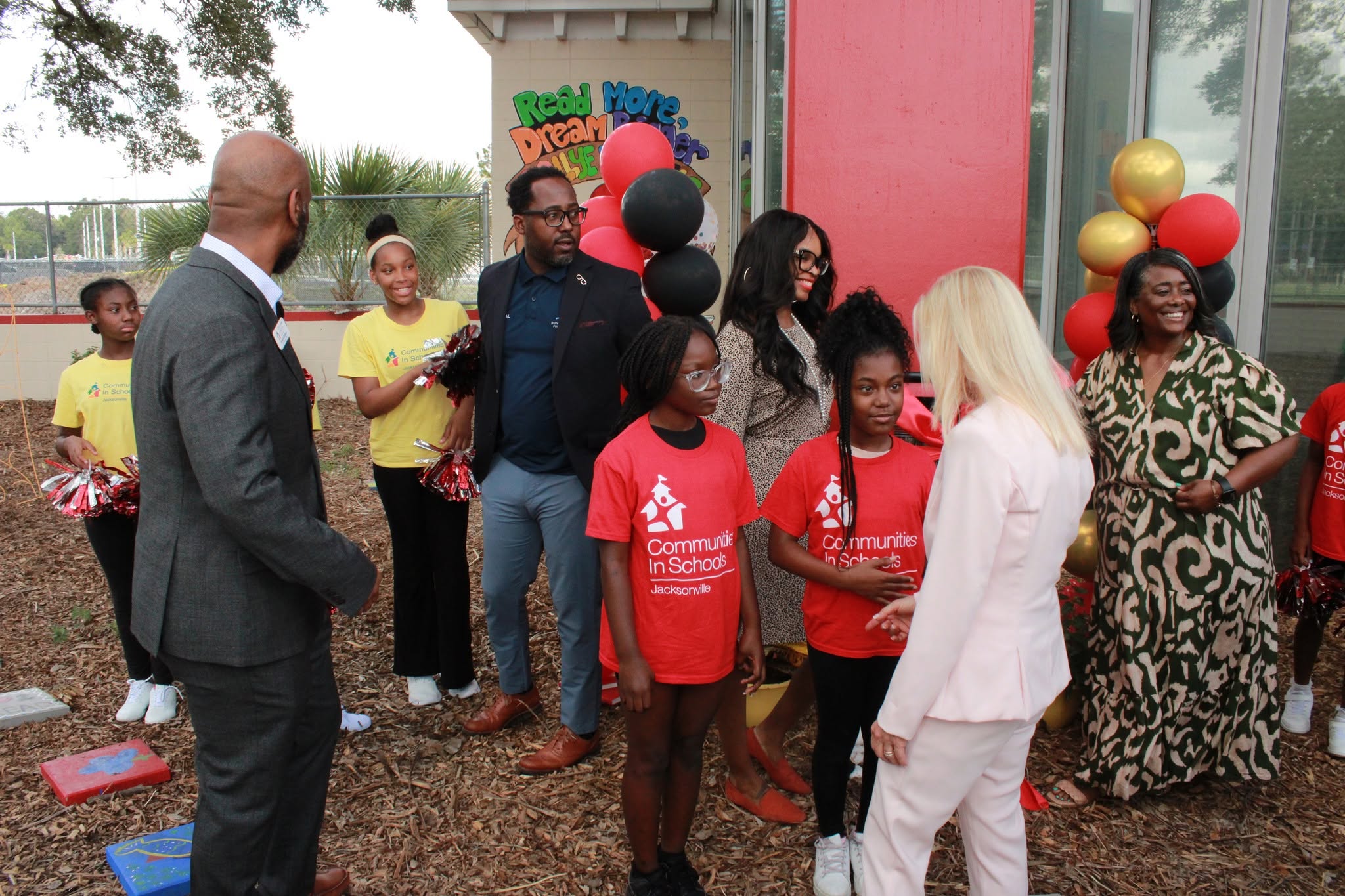
For families and educators, the goal is not to expect teenagers to have every skill mastered before graduation. It is to give them regular chances to practice. Organizations such as CIS Jax also support young people through learning activities and development opportunities that connect academic growth with real-life skills.
What Are Soft Skills, and Why Do They Matter for High School Students?
Soft skills are personal, social, and practical abilities that shape how people communicate, work with others, solve problems, and manage responsibilities. Unlike subject-specific knowledge, these skills can be used in many parts of life.
For example, a student may use communication skills when asking a teacher for help, teamwork during a class presentation, and time management when balancing homework with extracurricular activities. These abilities also matter outside school, including at home, in the workplace, and later in college.
The term soft skills does not mean these abilities are less important than academic knowledge. They can also influence how effectively students apply what they have learned.
The Difference Between Academic Knowledge and Soft Skills
Academic knowledge includes subjects such as math, science, history, and language arts. It gives students the information and subject-specific abilities they need to complete coursework and understand new ideas.
Soft skills help students apply that knowledge. A student may understand a research assignment but still struggle to plan the work, ask useful questions, or cooperate with classmates. Another student may have strong ideas but find it difficult to explain them during a presentation.
Both areas matter. A balanced college preparation plan should help students build subject knowledge while also developing the habits and abilities that support independent learning.
Why High School Is the Right Time to Start
High school gives students a structured setting where they can practice new behaviors and learn from mistakes. Teachers can provide feedback, classmates can offer different points of view, and extracurricular activities can create opportunities to take responsibility.
Students also begin making more decisions as they get older. They may choose courses, manage a busier schedule, join clubs, take part in sports, or prepare for a first job. Each experience can help them become more confident and responsible.
Waiting until college to develop these skills can make the transition harder.
How Soft Skills for High School Students Support the College Transition
College often brings a different level of independence. Students may have fewer reminders about assignments, more responsibility for planning their days, and greater expectations for class participation.
They also meet people from different backgrounds and work with classmates who may have different communication styles, opinions, and approaches to problem-solving.
The following skills can help students adjust to these changes.
1. Communication Skills Help Students Speak Up
Communication is one of the most useful skills a student can develop before college. It includes speaking clearly, listening carefully, asking questions, and sharing ideas in a respectful way.
In high school, students may be used to teachers checking whether they understand a lesson. In college, they may need to take the first step. They might have to email a professor, ask for clarification after class, or explain why they need help with an assignment.
How students can practice communication:
- Ask questions when instructions are unclear.
- Take part in class discussions.
- Practice giving short presentations.
- Learn to write clear and respectful emails.
- Explain ideas without interrupting others.
- Listen to feedback before responding.
Communication in College Group Projects
Group projects require students to explain their ideas and understand the contributions of others. A student who communicates well can help a group divide tasks, discuss concerns, and agree on a plan.
2. Time Management Helps Students Handle Greater Independence
College students often have to manage several responsibilities at once. They may attend lectures, complete readings, prepare for exams, work part-time, and take part in campus activities.
Without a clear routine, it can be easy to miss deadlines or leave major assignments until the last minute.
Time management helps students decide what needs attention first and how much time to give each task. It also teaches them to plan ahead rather than rely on reminders from other people.
High school students can start with simple habits. A weekly planner, assignment calendar, or daily task list can help them see what is coming up.
Building a Practical Planning Routine
Students do not need a complicated system. They can begin by writing down deadlines, breaking large assignments into smaller steps, and setting aside time for study and rest.
For example, a research paper may feel difficult when viewed as one large task. Breaking it into smaller steps—choosing a topic, finding sources, outlining ideas, drafting, and reviewing—makes the work easier to manage.
3. Critical Thinking Helps Students Make Better Decisions
College often asks students to do more than remember information. They must compare ideas, examine evidence, question assumptions, and form their own conclusions.
Critical thinking helps students approach these tasks with care. It also supports everyday decisions, such as deciding how to respond to a difficult situation or evaluating whether a source is reliable.
High school students can practice critical thinking through class discussions, research assignments, debates, and problem-based activities.
Moving Beyond Memorizing Answers
Memorization has a place in learning, but students also need to understand why an answer makes sense. Teachers can encourage this by asking students to explain their reasoning, compare different solutions, or support an opinion with evidence.
For example, a history assignment could ask students to compare two accounts of the same event. A science project could ask them to explain why one result differs from their original prediction.
4. Problem-Solving Helps Students Respond to Challenges
College does not always go according to plan. A student may receive a lower grade than expected, struggle with a course topic, or face a scheduling conflict.
Problem-solving helps students pause, identify the issue, consider possible responses, and choose a practical next step.
Students can practice this skill whenever they face a challenge at school. Instead of giving up after a difficult assignment, they can identify what they do not understand and decide where to seek support.
A simple problem-solving process includes:
- Describe the problem clearly.
- Identify what may have caused it.
- Consider more than one possible response.
- Think about the likely results of each option.
- Choose a reasonable next step.
- Review what worked and what could change.
This approach helps students see challenges as situations they can work through rather than reasons to stop trying.
5. Adaptability Helps Students Handle Change
College life may be different from what students expect. A course may move faster than a high school class, a group assignment may require a new approach, or a student may need to adjust to a different daily routine.
Adaptability is the ability to respond constructively when plans or circumstances change. It does not mean agreeing with every situation. It means being willing to consider new information and adjust when needed.
Students can develop adaptability by trying unfamiliar activities, working with different classmates, and learning how to respond when a plan does not work.
6. Self-Advocacy Helps Students Ask for Support
Self-advocacy means understanding personal needs, expressing concerns, and asking for appropriate support. It is especially important in college, where students are expected to take greater responsibility for their learning.
A student may need to ask a professor to explain an assignment, speak with an academic adviser about course choices, or contact a campus support office about available services.
High school students can practice by asking teachers for clarification, speaking with counselors about academic goals, and explaining which learning methods help them understand a subject.
Learning to Ask Specific Questions
A general statement such as “I don’t understand” can be a useful starting point, but a specific question often leads to better help.
For example, a student might say, “I understand the first part of the assignment, but I am not sure how to organize the research section. Could you explain what you expect?”
Self-advocacy is not about handling every challenge alone. It is about recognizing when help is needed and knowing how to seek it.
7. Teamwork Helps Students Learn With Others
Many college courses include group presentations, shared research, discussions, and collaborative projects. Students must learn to contribute while respecting the ideas and responsibilities of others.
Teamwork involves more than dividing tasks. It requires trust, communication, patience, accountability, and a willingness to work toward a shared goal.
High school students can develop these habits through sports, clubs, student organizations, volunteer projects, and classroom activities.
For example, a group preparing a school presentation must agree on a topic, divide responsibilities, share information, and bring separate contributions together. Each student has a role in the final result.
8. Emotional Awareness Helps Students Manage Stress
College can bring academic pressure, new social situations, and changes in daily routines. Students may feel disappointed after a poor grade or frustrated when a project becomes difficult.
Emotional awareness helps them recognize what they are feeling and choose a constructive response. It also supports respectful communication because students become more aware of how their words and actions affect others.
High school students can practice this skill by reflecting on challenging situations, talking through concerns with trusted adults, and learning healthy ways to respond to frustration.
Emotional awareness does not mean students will never feel stressed. It helps them notice when they need a break, guidance, or a different approach.
9. Accountability Builds Trust and Responsibility
Accountability means taking responsibility for commitments, decisions, and actions. In college, students are expected to complete work, attend classes, follow instructions, and communicate when problems arise.
Students can develop accountability by meeting deadlines, completing their part of group assignments, and being honest when they make mistakes.
For example, if a student cannot finish an assigned part of a group project on time, telling the group early gives everyone a chance to adjust. Ignoring the problem may affect the entire team.
10. Confidence Helps Students Participate and Take Initiative
Confidence can help students ask questions, share ideas, try unfamiliar activities, and take part in campus life. It does not mean believing they will always be right. It means being willing to participate even when they are still learning.
Some students may hesitate to speak during class or join a new group because they worry about making mistakes. Regular practice in supportive settings can help them become more comfortable.
Teachers, families, and youth program staff can encourage students by recognizing effort, giving useful feedback, and allowing them to take on manageable responsibilities.
Confidence grows through experience. Each completed presentation, thoughtful question, or successful group task gives students another chance to see what they can do.
Essential Soft Skills That Support Academic Success
Some abilities are especially useful for managing the academic side of college. These foundational soft skills for high school students help them take responsibility for learning, work through demanding assignments, and build positive relationships with instructors and classmates.
They also support students who may be moving away from home for the first time or entering a new learning environment.
Organization and Planning
College students may need to keep track of course materials, assignment instructions, exam dates, reading lists, and personal commitments. Good organization makes these responsibilities easier to manage.
High school students can build this habit by keeping school materials in order and using a consistent system for class notes and assignments.
Organization also applies to academic work. Students who keep research notes, save files with clear names, and track assignment requirements may spend less time searching for information and more time learning.
Active Listening
Listening helps students follow lectures, understand instructions, and take part in discussions.
Active listening means giving attention to the speaker, considering the message, and responding in a thoughtful way. It also involves asking questions when something is unclear.
Students can practice active listening during class discussions, presentations, and group activities.
This is especially useful during college lectures, where students may need to identify key ideas and make useful notes without receiving repeated explanations.
Research and Information Evaluation
College assignments often require students to find information and decide whether it is trustworthy. A search result is not automatically a reliable source, and students need to look beyond the first page they find.
Information evaluation involves checking who created the content, whether evidence supports its claims, when it was published, and whether other reliable sources agree.
High school research assignments provide a good starting point. Students can learn to compare sources, identify unsupported claims, and cite information correctly.
These habits support academic integrity and help students become more independent learners.
Receiving and Applying Feedback
Feedback is part of learning. A professor may suggest that a student improve an argument, explain a point in more detail, or organize an assignment differently.
Students who can listen to feedback without treating it as a personal attack are often better prepared to use it. They can identify what needs attention and apply the advice to future work.
High school teachers can support this skill by giving students opportunities to revise assignments after receiving comments. Students can also practice asking what a suggestion means and how they can apply it.
Patience and Persistence
Some subjects take time to understand. Students may need to read a chapter more than once, practice a new skill, or ask for help before a concept becomes clear.
Patience helps students avoid expecting instant results. Persistence encourages them to continue making reasonable efforts when work becomes difficult.
These abilities are important because college learning often requires students to manage longer assignments and more complex topics. Students who learn to work through challenges in high school may feel better prepared for that change.
Soft Skills for Students Also Matter Beyond the Classroom
College preparation should not focus only on grades and exams. Students also need to manage relationships, make decisions, and take part in activities outside the classroom.
The skills they develop in high school can influence how they approach campus life and prepare for future employment.
Building Positive Relationships With Professors and Classmates
Students who communicate respectfully and listen to others can build stronger academic relationships.
These relationships can also help students learn about academic opportunities, campus resources, and different career paths.
Respect matters when people disagree. Students should be able to explain their views without dismissing another person’s experience or opinion.
Managing Group Work and Different Personalities
Not every group project will be easy. Some students may prefer to plan early, while others work closer to the deadline. Some may speak often, while others need more time to share their ideas.
Working through these differences may require flexibility and respectful conversations when concerns arise.
Preparing for Internships, Part-Time Jobs, and Career Opportunities
Many students use college to explore career options and gain practical experience. They may apply for internships, volunteer roles, campus jobs, or part-time employment.
Employers often look for more than technical knowledge. They also value clear communication, reliability, teamwork, problem-solving, and the ability to learn.
Students can begin developing these abilities before college. Taking part in a school club, helping with a community project, or completing a group assignment can provide useful examples to discuss during an interview.
For students exploring career options, workforce development programs can also provide a useful connection between school learning and employment expectations.
How High School Students Can Develop Important Soft Skills
Knowing which skills matter is only the first step. Students need regular opportunities to use them. These opportunities do not always require special courses or expensive programs. Many can be part of normal school, home, and community life.
Take Part in Group Projects
Group assignments give students a chance to practice communication, cooperation, planning, and accountability.
A useful approach is to let students take different roles during each project. One student might organize the schedule, another might gather information, and another might coordinate the presentation.
Changing roles helps students build a wider range of abilities instead of always relying on the same strengths.
Join Clubs and Extracurricular Activities
Clubs and extracurricular activities give students a chance to meet people, explore interests, and take on responsibilities outside regular lessons.
A student who joins a robotics club may practice problem-solving and collaboration. Students who take part in speaking events may improve public speaking and critical thinking. Participation in music or performing arts can support preparation, listening, and teamwork.
These activities also help students discover what they enjoy and where they may want to grow.
Participate in Community Service
Community service can help students understand responsibility and the needs of people around them. Activities might include organizing a food drive, planting a school garden, or creating cards for elderly community members.
School-based service projects can provide opportunities to communicate with different people, follow instructions, solve practical problems, and complete shared tasks.
Students should choose age-appropriate activities with suitable adult guidance. The aim is to contribute while learning how to work responsibly with others.
Practice Public Speaking in Small Steps
Public speaking can feel uncomfortable for students who have little experience presenting their ideas. They do not need to begin with a large audience.
They can start by explaining a class project to a small group, asking a question during a lesson, or sharing an opinion during a club meeting.
Over time, these small experiences can help students organize their thoughts and speak with greater clarity.
CIS Jax students also develop public speaking skills through the annual Oratorical Competition, where students can practice sharing their ideas with an audience
Set Personal Goals and Review Progress
Goal setting helps students take an active role in their development. A goal should be clear enough for the student to understand what they want to improve and how they will work toward it.
For example, a student who wants to improve time management might set a goal to use a weekly planner for one month. At the end of that period, they can review whether the habit helped them meet deadlines.
The process matters more than making a perfect plan. Students should be able to adjust their goals when they discover that a different approach works better.
Learn to Handle Everyday Responsibilities
Simple responsibilities can teach valuable habits. They might help prepare a meal, manage household errands, or follow through on an agreed chore.
These experiences encourage independence and accountability.
The Role of Teachers, Families, and Youth Organizations
Students are responsible for practicing their skills, but they benefit from adults who create supportive opportunities to learn. Teachers, families, counselors, and youth organizations can all contribute.
Adults can help by making skill development part of everyday activities rather than treating it as a separate subject.
How Teachers Can Support Soft Skill Development
Teachers can include activities that require students to think, communicate, and cooperate. They can also explain how these skills connect to academic work and future responsibilities.
For example, teachers can ask students to work together to evaluate sources for a research assignment. A class discussion can encourage students to support their opinions with evidence while respecting different views.
Feedback should be specific. Rather than saying only that a student needs to improve teamwork, a teacher can point out a behavior to work on, such as sharing speaking time or completing an agreed task.
How Families Can Encourage Independence
Families can support students by giving them age-appropriate responsibilities and allowing them to make reasonable decisions.
Parents and caregivers can encourage teenagers to plan their schedules, communicate with teachers when appropriate, and think through solutions before stepping in to solve every problem.
This does not mean leaving students without support. It means giving them room to practice while remaining available when guidance is needed.
Why Youth Development Programs Matter
Youth development programs can provide structured opportunities to practice skills that are useful in school, college, and future employment.
Activities such as tutoring, team projects, leadership opportunities, literacy support, and career preparation can help students apply what they learn in practical situations.
For example, a student may practice communication while presenting a project, teamwork while completing a shared activity, and planning while working toward a goal.
These experiences can be especially useful for students who need additional academic encouragement or opportunities to explore their interests.
How CIS Jax Supports Student Growth Beyond Academic Lessons
CIS Jax supports students through programs and activities that connect academic development with personal growth. Our programs are free for students who attend the participating partner schools.
Learning Through Activities and Participation
Students often understand a skill more clearly when they have a chance to use it. Activities that involve planning, participation, and cooperation can help students connect classroom learning with real situations.
For example, project-based activities give students a chance to work toward a shared outcome. They may need to discuss ideas, decide how to approach a task, divide responsibilities, and review their results.
Supporting Literacy and Communication
Strong communication begins with the ability to understand and express ideas. Literacy development supports this process by helping students read information, understand instructions, organize thoughts, and communicate clearly.
Early literacy development can also support classroom participation and lay a foundation for more demanding reading and writing later in school.
For students who need additional help, tutoring and literacy-focused activities can provide more opportunities to practice and strengthen academic skills.
Connecting Students With Workforce Development
College and career preparation often overlap. Students who learn to communicate, manage responsibilities, and work with others are building abilities that can help them in both settings.
CIS Jax’s workforce development activities include resume writing, mock interviews, and financial literacy. These experiences can help students think about employment expectations and the practical decisions they may face as they become more independent.
For students exploring workforce development Jacksonville FL, programs that connect education with career preparation can provide useful opportunities to understand workplace expectations before entering the job market.
Why Community Support Makes a Difference
Nonprofit organizations in Jacksonville FL can play an important role in supporting young people through education, enrichment, and development opportunities.
Families and students may benefit from learning about local programs that offer academic assistance, career preparation, and activities that encourage personal growth.
CIS Jax is one organization families can explore when looking for student support and opportunities that extend beyond the regular school day. Its activities can help young people practice skills that matter as they prepare for graduation, college, and future goals.
Common Mistakes to Avoid When Teaching Soft Skills
Soft skills develop over time. Students need practice, useful feedback, and room to make mistakes. Adults can support this process by avoiding a few common mistakes.
Treating Soft Skills as Natural Talents
Some people assume that students are either good communicators or poor communicators. In reality, communication and other personal abilities can improve with practice.
A student who avoids speaking in class may simply need more opportunities to share ideas in a comfortable setting. A student who struggles with organization may benefit from a planner and help breaking tasks into smaller steps.
Rather than labeling students, adults should focus on the specific habits they can develop.
Expecting Students to Learn Everything at Once
Trying to improve every skill at the same time can feel overwhelming. Students may make better progress when they focus on one or two areas first.
For example, a student could work on time management for several weeks before setting a new goal related to public speaking.
Correcting Mistakes Without Giving Useful Feedback
Telling a student to “be more responsible” does not explain what they should do differently.
Useful feedback identifies a specific action. A teacher might explain that a student needs to submit their part of a group assignment by the agreed date. A parent might suggest writing down important deadlines instead of trying to remember them.
Clear guidance gives students something practical to work on.
Overlooking Quiet Students
Not every student shows confidence by speaking often. Some students listen carefully, think before responding, or prefer smaller group discussions.
Adults should provide different ways for students to participate. Written reflections, paired activities, small-group tasks, and one-on-one conversations can help students develop their skills without forcing them into a single style of participation.
How Can Students and Families Measure Progress?
Soft skills can be harder to measure than test scores, but progress is still visible. Students, teachers, and families can look at everyday actions rather than expecting a perfect performance.
Here are a few signs to look for:
- Communication: The student shares ideas clearly and listens to other viewpoints.
- Time management: The student tracks deadlines and plans.
- Teamwork: The student contributes to group tasks and respects shared responsibilities.
- Problem-solving: The student considers possible solutions before giving up.
- Self-advocacy: The student asks for clarification or support when needed.
- Accountability: The student follows through on commitments and accepts responsibility for mistakes.
- Adaptability: The student can adjust a plan when circumstances change.
Use Reflection Instead of Relying Only on Grades
Grades show how a student performs in a particular subject or assignment. They do not always show how well the student communicates, cooperates, or manages responsibilities.
A short reflection can help students recognize their progress. After a group project, for example, they could consider what they contributed, how they handled disagreements, and what they would do differently next time.
Give Students Time to Improve
Progress may not happen at the same pace for every student. Some may become comfortable speaking in groups quickly, while others need more practice.
Preparing High School Students for College Starts Before Graduation
College readiness involves much more than meeting admission requirements. Students also need to communicate clearly, manage their schedules, work with others, respond to challenges, and take responsibility for their decisions.
That is why soft skills for high school students should be part of a broader approach to education.
CIS Jax recognizes the value of supporting students beyond academic instruction. Through elementary literacy support, enrichment activities, and high school workforce development opportunities, CIS Jax helps students build skills for college, careers, and life after graduation.
Frequently Asked Questions
1. What are the most important soft skills for high school students before college?
Some of the most important skills include communication, time management, critical thinking, problem-solving, teamwork, adaptability, self-advocacy, and accountability. They do not need to master every skill before graduation. Regular practice through school assignments, extracurricular activities, and community projects can help them become more prepared for college life.
2. How do soft skills help students succeed in college?
Soft skills help students manage the responsibilities that come with greater independence. Time management supports assignment planning, while communication helps students ask questions and work with professors. Teamwork is useful for group projects, and critical thinking helps students evaluate information and form their own conclusions. Self-advocacy also helps students recognize when they need academic support.
3. Can students develop soft skills through extracurricular activities?
Yes. Extracurricular activities give students practical opportunities to work with others, take responsibility, and explore their interests. Sports can encourage teamwork and communication. Clubs can support planning and leadership, while performing arts can help students practice preparation and cooperation. Volunteer projects can also teach accountability and community awareness.
4. What is the difference between soft skills and academic skills?
Academic skills relate to learning and applying subject knowledge. Examples include reading comprehension, writing, mathematics, research, and scientific reasoning. Soft skills relate to how students manage responsibilities, communicate, cooperate, and respond to challenges. Both are important for college preparation. A student may understand a subject well but still need time management to complete assignments or communication skills to ask for help.
5. How can nonprofit organizations help students prepare for college?
Nonprofit organizations in Jacksonville FL can support students through academic programs, enrichment opportunities, and career preparation. CIS Jax, for example, provides elementary literacy tutoring and offers workforce development activities through Hope = Success program for high school students.