

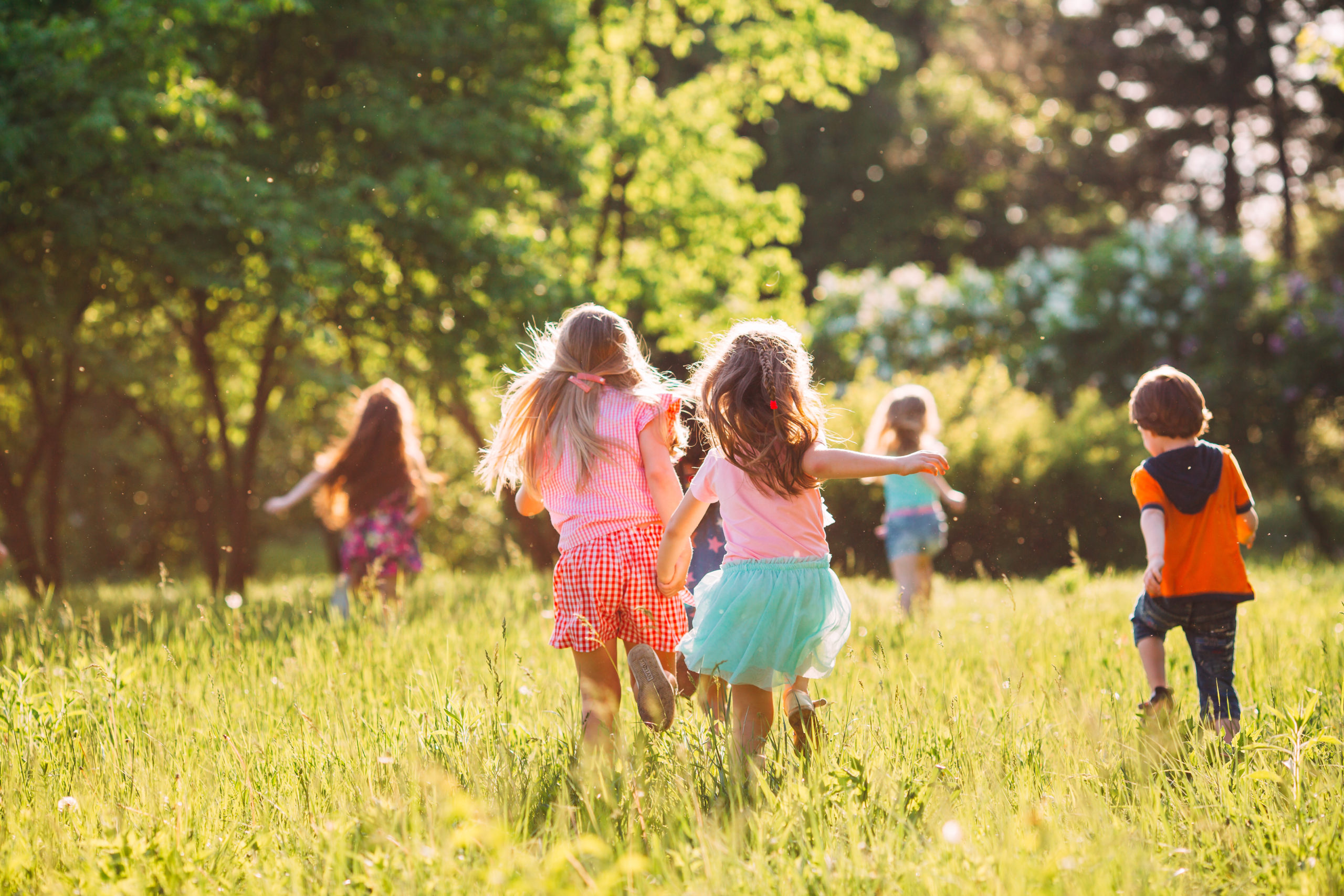

As parents and educators, we all want the best for our children, and that includes providing them with a well-rounded education that goes beyond the classroom. While traditional academics are essential, they aren't the only thing that contributes to a child's growth and development. Children need opportunities to explore their interests, develop their creativity, and most importantly, have fun.
One great way to provide children with these opportunities is by enrolling them in activities that take place outdoors. These activities can include sports teams, outdoor adventure programs, and nature clubs. Outdoor school time activities for kids can provide numerous benefits, including physical health benefits, mental health benefits, socialization benefits, and environmental awareness benefits.

Physical Health Benefits
One of the most obvious benefits of outdoor school time activities for kids is the physical health benefits. According to the Centers for Disease Control and Prevention (CDC), children and adolescents should get at least 60 minutes of physical activity every day. Unfortunately, many children today fall short of this recommendation due to the prevalence of screen time and sedentary activities.
Outdoor activities are a great way to get your child moving and active. These activities can help improve your child's cardiovascular health, build strong bones and muscles, and improve their overall physical fitness. Outdoor activities such as hiking, biking, and team sports provide a fun and engaging way to incorporate physical activity into your child's routine.
Additionally, being outdoors and exposed to sunlight can help boost your child's vitamin D levels, which is important for healthy bone development. Vitamin D deficiency has been linked to an increased risk of several health problems, including osteoporosis and cardiovascular disease.
Mental Health Benefits
In addition to the physical health benefits, outdoor school time activities can also have a positive impact on your child's mental health. Spending time outdoors can help reduce stress and anxiety, improve mood, and increase feelings of happiness and well-being.
Research has shown that exposure to nature can also help improve attention span and cognitive function, which can translate to better academic performance in the classroom. Outdoor activities can also help children develop problem-solving skills, creativity, and imagination, as they are forced to navigate and explore new environments.

Socialization Benefits
Outdoor school time activities are also a great way for children to socialize and develop important social skills. Many outdoor activities are team-based, which means children have to work together and communicate effectively to achieve a common goal. This can help children develop important leadership and teamwork skills, which are important in all aspects of life.
Additionally, outdoor activities provide children with an opportunity to make new friends and expand their social circle. This is especially important for children who may struggle with socializing in the classroom or who may be shy or introverted. Outdoor activities provide a more relaxed and informal environment where children can feel comfortable being themselves and making connections with others.
Environmental Awareness Benefits
Finally, outdoor school time activities can help children develop a sense of environmental awareness and appreciation for the natural world. As children explore and interact with their environment, they develop a deeper understanding of the world around them and the importance of conservation and sustainability.
Many outdoor activities also incorporate environmental education, teaching children about topics such as climate change, biodiversity, and habitat preservation. This can help children develop a lifelong passion for protecting the planet and become stewards of the environment.
What Is Outdoor School, and How Does Learning Outside the Classroom Work?
Learning does not have to take place between four classroom walls. Children can explore new ideas, ask questions, and develop important skills when lessons extend into schoolyards, gardens, playgrounds, and other outdoor spaces. Outdoor school provides opportunities for students to connect classroom knowledge with practical experiences in their surroundings.But what is outdoor school, and how does it support children's education? Outdoor school refers to structured learning experiences that take place outside the traditional classroom. These experiences may include nature walks, gardening projects, outdoor science experiments, storytelling sessions, and group activities that encourage students to observe and explore.The goal is not simply to move a lesson outdoors. It is to give students meaningful opportunities to apply what they learn through direct experience.Connecting Classroom Subjects With Real-World Experiences
Outdoor learning can support many subjects, including science, mathematics, literacy, and art.For example, students studying plants can observe leaves, compare different plant types, and learn what plants need to grow. A mathematics lesson might involve measuring the dimensions of a school garden or counting and sorting natural objects. During a literacy activity, students can observe their surroundings and use their observations to write a short story or descriptive paragraph.These experiences help children connect abstract concepts with examples they can see and investigate. They also encourage students to ask questions, make observations, and explain their reasoning.Teachers can reinforce these lessons by discussing what students noticed, inviting them to share their findings, and connecting the activity to concepts introduced in class.Encouraging Curiosity Through Hands-On Learning
Children often learn by exploring, asking questions, and testing their ideas. Outdoor school activities create opportunities for this type of learning in a setting that offers a wide range of things to observe.A simple nature walk, for instance, can become a lesson about insects, plant growth, weather, or the changing seasons. Students might compare the shapes of leaves, observe how sunlight affects different areas, or record the sounds they hear.Rather than immediately providing every answer, teachers can encourage students to investigate their questions and discuss what they discover.This approach supports curiosity and gives children practice in observing details, organizing information, and communicating their findings. It also allows educators to accommodate different learning preferences through movement, discussion, drawing, writing, and collaborative tasks.Supporting Different Learning Needs
Outdoor education can provide additional ways for students to participate in lessons. Some children may find it helpful to move around, work with physical materials, or discuss ideas with classmates while learning.Teachers can adapt activities to suit different ages, abilities, and interests. Students might record observations through drawings, photographs, spoken explanations, or written notes. Accessible pathways, shaded seating, clear instructions, and flexible participation options can help make outdoor experiences more inclusive.Outdoor learning should complement classroom instruction rather than replace it. By combining both approaches, schools can give students varied opportunities to explore concepts, practice skills, and develop a deeper understanding of the world around them.Creative Outdoor School Activities That Make Learning More Engaging
Well-planned outdoor activities in schools can turn ordinary lessons into memorable learning experiences. Students have opportunities to move, collaborate, solve problems, and explore ideas in a practical setting.The most effective activities do not need expensive equipment or large outdoor spaces. A schoolyard, a small garden, or a suitable paved area may provide enough room for meaningful educational experiences.Here are several outdoor school activities that educators can adapt for different age groups and learning goals.1. Nature Scavenger Hunts
A nature scavenger hunt encourages students to observe their surroundings and identify specific features. Teachers can prepare a list of items or characteristics for students to find, such as a leaf with a particular shape, a smooth stone, a bird's call, or an example of a plant growing in sunlight.Students can work individually or in small groups, depending on their age and the activity's goals.A scavenger hunt can also connect with academic subjects. Younger children might practice naming colors, shapes, and textures, while older students could record observations about plant structures or compare different parts of the school environment.Teachers should establish clear boundaries and instruct students not to touch unfamiliar plants, wildlife, or potentially hazardous objects.2. School Gardening Projects
Gardening gives students a chance to learn about plant growth, environmental responsibility, and the time required to care for living things.Students can help plant suitable seeds, water a garden, observe changes, and record growth over several weeks. Teachers can connect these tasks with science lessons about roots, leaves, soil, sunlight, and water.Gardening can also support mathematics and literacy. Students might measure plant growth, count leaves, maintain observation journals, or write instructions explaining how to care for a plant.A school does not need a large garden to introduce these activities. Suitable containers or small planting areas can provide similar learning opportunities when properly maintained.3. Outdoor Reading and Storytelling
Outdoor reading can offer a change of setting while supporting literacy development. Teachers can arrange a supervised reading session in a shaded schoolyard or another comfortable outdoor area.Students might read a short story, listen to a teacher read aloud, or take turns discussing characters and events. Younger children can describe illustrations or predict what happens next, while older students can analyze themes, summarize passages, or explain their interpretations.Creative storytelling is another option. Students can observe their surroundings and use what they notice as inspiration for a poem, story, or descriptive paragraph.These activities connect outdoor exploration with reading, vocabulary development, listening, and communication.4. Mathematics Challenges in the Schoolyard
Outdoor spaces can provide practical examples for mathematics lessons.Students might measure the length of a path, estimate the height of a suitable structure, count objects, identify geometric shapes, or compare distances between designated points. Teachers can adjust the difficulty according to students' grade levels and existing skills.For example, younger students could sort objects by size or shape, while older students might calculate the area of a rectangular garden or compare measurement estimates with actual results.These tasks help students apply mathematical concepts in familiar surroundings and explain how they reached an answer.Teachers should choose activities that can be completed safely within designated areas and provide suitable measuring tools and supervision.5. Team-Based Problem-Solving Games
Group challenges can help students practice communication, cooperation, and decision-making.A teacher might ask teams to plan a way to organize a school garden, create a simple outdoor display, or complete a supervised problem-solving challenge using safe materials. Students can take turns sharing ideas, assigning responsibilities, and evaluating possible solutions.The focus should be on participation and collaboration rather than simply identifying a winning team.After the activity, teachers can ask students what worked well, how they handled disagreements, and what they might do differently next time. This reflection helps students connect the experience with skills they can use in the classroom and beyond.Making Outdoor Activities Meaningful
Outdoor activities for schools work best when educators connect them to clear learning objectives. Before beginning an activity, teachers should consider what students will learn, which materials are needed, and how they will assess participation or understanding.It is also helpful to include a short discussion or reflection afterward. Students might share their observations, complete a worksheet, draw what they discovered, or explain how the activity relates to a classroom lesson.With thoughtful planning, outdoor learning can become a practical part of the school day rather than an occasional break from regular instruction.How Schools Can Make Outdoor Activities Safe, Inclusive, and Accessible for Every Student
Outdoor learning can offer valuable educational experiences, but students need an environment where they can participate safely and comfortably. Schools should consider supervision, weather, accessibility, available resources, and individual student needs when planning outdoor activities.Creating an inclusive outdoor learning environment does not always require major changes or expensive equipment. Often, small adjustments to activity design and organization can make participation easier for more students.Plan for Weather and Environmental Conditions
Weather conditions can affect students' comfort and safety during outdoor lessons. Teachers and school staff should check local forecasts, consider temperature and air quality, and follow school policies for outdoor activities.In warm weather, schools should provide access to drinking water, shaded areas, and appropriate breaks. Sun protection may include hats, suitable clothing, and sunscreen when appropriate and permitted by school policy.During storms, extreme heat, poor air quality, or other unsafe conditions, schools should move activities indoors or postpone them.Staff should also consider the outdoor environment itself. Uneven surfaces, standing water, unfamiliar plants, insects, and nearby traffic may create hazards that need to be addressed before students participate.Adapt Activities for Different Abilities
Not every student can participate in the same activity in the same way. Inclusive outdoor education recognizes that students may have different mobility needs, sensory preferences, communication styles, or learning requirements.Schools can provide accessible routes, stable seating, clear visual instructions, alternative tools, and quieter spaces when possible. Activities can also offer multiple ways to participate.For example, during a nature observation activity, one student might walk along a designated path, another might record observations from a seated location, and another might describe findings verbally or through drawings.The learning objective can remain consistent even when students use different methods to achieve it.Teachers should also work with relevant school staff and families when an activity requires specific accommodations or additional planning.Make Outdoor Learning Affordable
Schools do not need costly equipment or field trips to provide useful outdoor learning experiences. Many activities can take place in existing schoolyards, courtyards, gardens, or other appropriate outdoor spaces.Teachers can use simple materials such as paper, pencils, measuring tapes, reusable containers, and locally available educational resources. Nature observations, outdoor reading, and group discussions may require little more than careful planning.Schools can also organize activities that reuse safe materials or involve students in maintaining a small garden. When resources are limited, selecting a few well-planned activities may be more practical than attempting to introduce several new programs at once.The important consideration is whether an activity meets its learning objectives and allows students to participate meaningfully.Establish Clear Rules and Supervision
Students need clear expectations before beginning outdoor activities. Teachers should explain boundaries, meeting points, instructions for moving between locations, and what students should do if they need help.Depending on the activity, staff may need to consider student-to-adult supervision arrangements, access to first-aid supplies, emergency communication, and procedures for accounting for students.Students should be reminded not to eat unknown plants, touch unfamiliar wildlife, or pick up sharp or potentially contaminated objects. Gardening and nature activities may also require handwashing afterward.For activities involving tools, water, or other potential hazards, educators should select age-appropriate materials and provide direct supervision.Gather Feedback and Improve Future Activities
Schools can improve outdoor learning by asking students and staff about their experiences.Teachers might ask which activity helped students understand a concept, whether instructions were clear, and what changes would make future participation easier.Student feedback can reveal barriers that adults may not have noticed. For example, a location may be too noisy for some students, or an activity may require more time or clearer directions.Educators can use these observations to adjust future lessons and make outdoor learning more accessible.At CIS Jax, supporting students involves recognizing their educational needs and helping them access opportunities that contribute to their development. Thoughtful outdoor activities can complement this broader approach by giving children additional ways to participate, explore, collaborate, and learn.Frequently Asked Questions
1. What Are the Main Benefits of Outdoor Education for Students?
Outdoor education gives students opportunities to learn through observation, movement, exploration, and hands-on experiences. Depending on the activity, it can support physical activity, curiosity, teamwork, problem-solving, and environmental awareness. Outdoor lessons can also help students connect classroom concepts with real-world examples.For example, observing plants can reinforce science lessons, while outdoor storytelling can support vocabulary and writing. The benefits depend on how activities are planned and whether they suit students' ages, abilities, and learning objectives. Outdoor education works best when it complements classroom instruction and includes opportunities for students to discuss or reflect on what they learn.2. What Are Some Examples of Outdoor Activities in Schools?
Schools can organize nature walks, gardening projects, outdoor reading sessions, scavenger hunts, mathematics challenges, and supervised team games. Teachers can also use outdoor spaces for art, creative writing, science observations, and environmental projects.These activities can be adapted for different age groups. Younger children might identify colors, shapes, or leaves, while older students could measure garden areas, record plant growth, or discuss environmental changes. Schools can often organize meaningful outdoor activities using existing spaces and simple materials. The key is to connect each activity to a clear educational goal and provide appropriate supervision.3. What Is Outdoor School, and How Is It Different From Traditional Learning?
Outdoor school refers to structured educational experiences that take place outside a conventional classroom. Students may investigate nature, conduct observations, complete group projects, or explore academic concepts through practical activities.Traditional classroom instruction remains important, but outdoor learning provides additional ways to introduce and reinforce ideas. For instance, students learning about plant growth can observe living plants rather than relying entirely on pictures or written explanations.Outdoor school does not necessarily mean that students spend an entire day outside. It can involve a single lesson, a recurring schoolyard activity, or a planned educational visit. The purpose is to make learning more experiential while supporting established curriculum goals.4. How Do Outdoor Activities Help Students Develop Social Skills?
Outdoor activities can give students opportunities to communicate, cooperate, share responsibilities, and solve problems together. Group gardening, supervised team games, and collaborative nature projects may require students to listen to different viewpoints and agree on a plan.These experiences can help students practice respectful communication and learn how to manage disagreements constructively. Teachers can reinforce these skills by encouraging students to reflect on how their groups worked together and what they could improve.However, social benefits are not automatic. Activities should be structured so that students have meaningful roles, clear expectations, and opportunities to participate. Educators should also watch for exclusion or conflict and provide guidance when needed.5. How Can Schools Make Outdoor Activities Accessible to All Students?
Schools can improve accessibility by choosing suitable locations, providing clear instructions, offering different participation methods, and adapting equipment or tasks to individual needs. Teachers should consider mobility, sensory preferences, allergies, weather, and available supervision.For example, a nature lesson might allow students to observe plants from an accessible path, record findings in writing, draw what they see, or describe observations verbally. These options can help students participate in ways that work for them while pursuing the same learning objectives.Schools can also use existing courtyards and schoolyards to reduce transportation and cost barriers. Consulting families and relevant school staff can help educators identify accommodations and plan outdoor experiences that are safe, inclusive, and meaningful.Conclusion
In conclusion, outdoor after school programs and activities are an excellent way to provide children with a well-rounded education that goes beyond the classroom. These activities provide numerous benefits, including physical health benefits, mental health benefits, socialization benefits, and environmental awareness benefits.
If you're considering enrolling your child in the school or activities, be sure to consider outdoor options. Whether it's hiking, biking, team sports, or nature exploration, there are plenty of opportunities for children to get outside and enjoy the benefits of nature. Outdoor school time activities can help children develop important skills, make new friends, and have fun while staying active and engaged.
Related Tag: Literacy Programs for Kids