


What are Extracurricular Activities?
Importance of Extracurricular-Activities
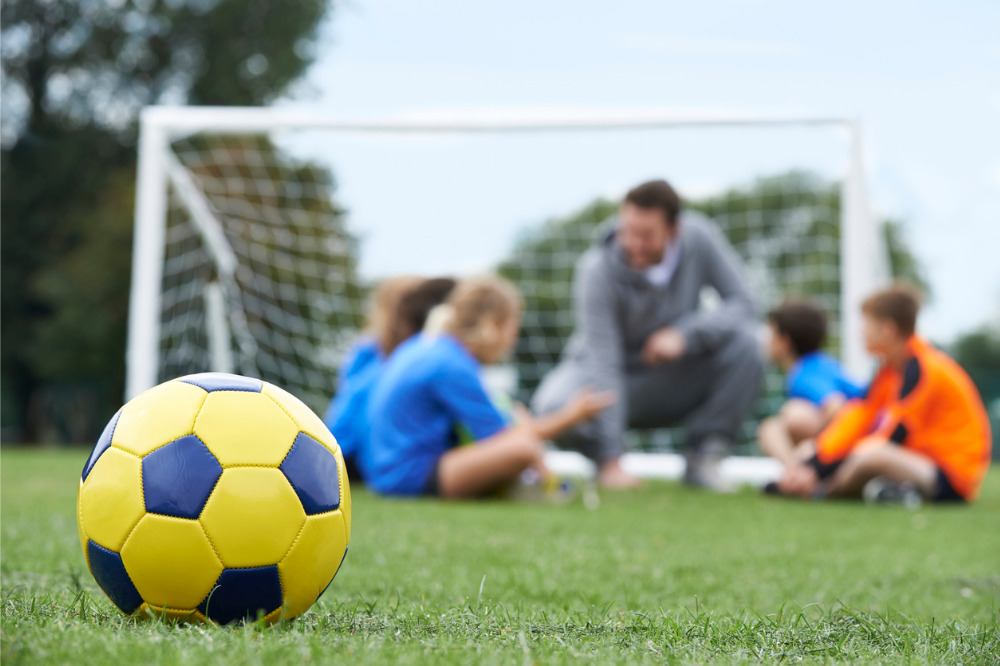
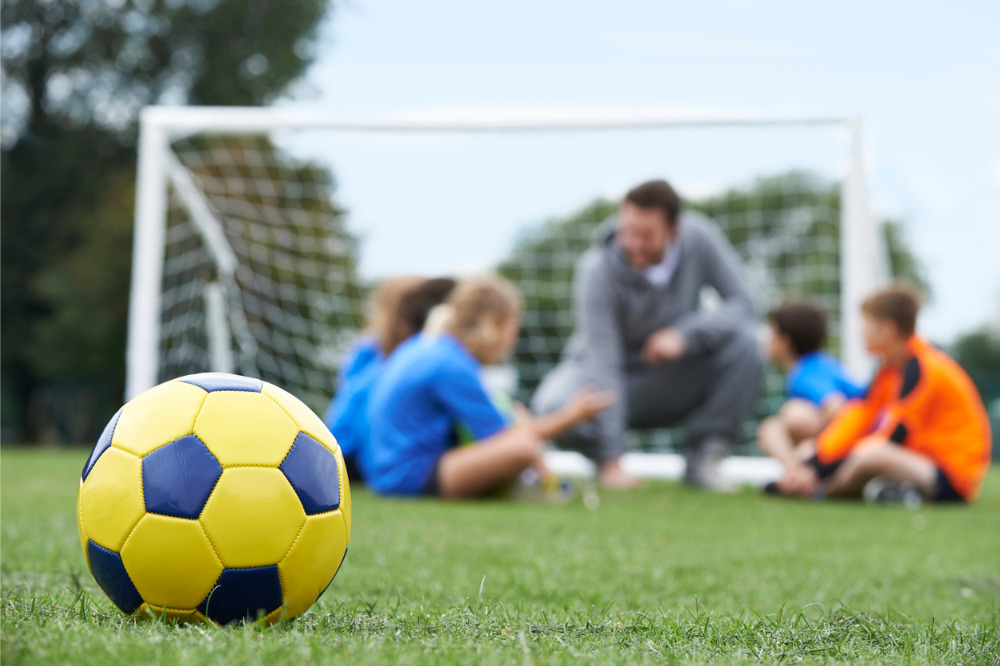
- Skill Development: Extracurricular activities provide students with opportunities to develop new skills that are not necessarily taught in the classroom. For example, participating in a sports team can help develop teamwork, communication, and leadership skills.
- Exploration of Interests: Extracurricular activities allow students to explore their interests and passions. This can help them discover new talents and skills that they may not have known they had.
- Improved Academic Performance: Participating in extracurricular activities has been shown to improve academic performance. Students who participate tend to have higher grades and better attendance records than those who do not.
- Socialization: Extracurricular activities provide opportunities for students to interact with their peers in a non-academic setting. This can help them develop social skills, such as communication, teamwork, and leadership.
- Personal Growth: Extracurricular activities provide opportunities for personal growth and development. For example, participating in a volunteer program can help students develop empathy and compassion, which can be beneficial in any career.
- Building a Strong College Application: Extracurricular activities can help students build a strong college application. Colleges and universities look for well-rounded students who have demonstrated leadership qualities, community involvement, and a passion for learning.
The Benefits of Extracurricular Activities
- Improved Academic Performance: Research has shown that students who participate in extracurricular activities tend to perform better academically than those who do not. This is because extracurricular activities teach students important skills such as time management, goal setting, and self-discipline, which can be applied to their academic studies.
- Opportunities for Leadership: Extracurricular activities provide students with opportunities to develop leadership skills. When students take on leadership roles in a particular activity, they learn how to manage others, communicate effectively, and make important decisions. These skills can be highly valuable in the professional world, where leadership is highly valued.
- Increased College Admissions: Extracurricular activities can also increase a student’s chances of being accepted into college. Admissions officers often look for well-rounded students who have participated in extracurricular activities, as they believe that these students are more likely to succeed in college and in life.
- Improved Health and Well-being: Extracurricular activities can also have a positive impact on a student’s health and well-being. Engaging in physical activities such as sports or dance can improve a student’s physical fitness and reduce their risk of developing health problems such as obesity or diabetes. Participating in activities that promote mental wellness, such as mindfulness or yoga, can also help students reduce stress and improve their mental health.
How Extracurricular Activities Help Students Build Real-World Skills
Learning does not stop when the school bell rings. Students also develop important skills when they participate in activities that allow them to work with others, explore interests, and take responsibility for shared goals. From joining a robotics club to playing on a sports team, extracurricular experiences give young people opportunities to practice skills they can use in school, at home, and in future workplaces.
One of the main benefits of extracurricular activities for students is the chance to learn through experience. Classroom lessons provide important knowledge, but activities outside regular lessons allow students to apply what they know in practical situations.
Developing Communication and Teamwork
Many extracurricular activities require students to communicate, listen, share ideas, and work toward a common goal. A student in a debate club must explain an argument clearly and consider different viewpoints. Someone participating in a group science project must coordinate tasks and listen to teammates. Students involved in sports learn to communicate with teammates, follow instructions, and support others during both successes and setbacks.
These experiences help students understand that effective communication involves more than speaking. It also requires patience, listening, respect, and the ability to work through disagreements.
For students who find classroom discussions challenging, a club or activity can provide another setting in which to practice these skills. Over time, participating in extracurricular activities may help students feel more comfortable sharing ideas and contributing to group work.
Building Leadership and Problem-Solving Skills
Extracurricular involvement also gives students opportunities to practice leadership. A student might organize a club meeting, help plan a school event, welcome new members, or coordinate a community service project. These responsibilities teach students how to make decisions, delegate tasks, and consider the needs of others.
Leadership does not always mean being the person in charge. It can involve helping a teammate, keeping a group organized, or offering a useful suggestion when a project becomes difficult.
Problem-solving is another important part of extracurricular learning. Students may need to adjust a performance after a rehearsal problem, find a solution when a project does not work as expected, or decide how to divide responsibilities fairly. These experiences encourage them to consider different options and learn from mistakes.
Strengthening Time Management and Responsibility
Students often balance classes, homework, family responsibilities, and personal interests. Joining an extracurricular activity gives them a reason to plan their time and keep track of commitments.
For example, a student preparing for a school performance may need to schedule rehearsals around assignments. A member of a robotics team may need to complete an assigned task before the next meeting. These responsibilities can encourage planning, consistency, and accountability.
However, students need a manageable schedule. Participating in too many activities can leave them feeling overwhelmed and reduce the time available for rest, schoolwork, and family. The goal is to find activities that fit comfortably into their routines.
At CIS Jax, opportunities for young people to participate in enrichment activities can complement academic support and help them practice skills beyond the classroom. When students have access to positive, structured experiences, they can explore their interests while developing habits that support their continued learning.
Why Extracurricular Activities Matter in High School and Beyond
High school is a time when students begin exploring their interests, considering future goals, and learning more about the paths available after graduation. Extracurricular activities can support this process by giving students opportunities to try new experiences, develop useful skills, and connect with people who share their interests.
The importance of extracurricular activities in high school is not limited to college applications. These experiences can also help students understand what they enjoy, where they may need more practice, and what types of responsibilities suit them.
Exploring Interests and Possible Career Paths
Students do not always know what they want to study or do for work. Extracurricular activities offer a practical way to explore different subjects without having to make an immediate long-term decision.
A student who joins a coding club may discover an interest in computer science. Someone who participates in student government may enjoy organizing projects and representing others. A student who volunteers in a community program may become interested in education, social services, or public health.
Arts programs, sports, academic competitions, and career-focused clubs can all introduce students to skills and experiences they might not encounter during regular lessons.
Exploration is valuable even when an activity does not lead to a future career. A student may discover that a particular interest is better suited to a hobby, or they may gain a clearer understanding of what they do not enjoy. Both outcomes can help them make more informed decisions.
Preparing for College and Future Opportunities
Students and extracurricular activities are often discussed together when families begin thinking about college. Meaningful participation can help students demonstrate interests, commitment, initiative, and contributions to their school or community.
For example, a student who consistently participates in a science club may be able to describe a project they helped complete. Someone who volunteers regularly may explain how the experience changed their understanding of community needs. A student who helps organize a school event can discuss planning, communication, and teamwork.
These experiences may provide useful examples for college applications, interviews, scholarship applications, or future employment conversations. However, extracurricular activities do not guarantee admission to a particular college, and expectations vary among institutions.
Students do not need an impressive list of activities to gain value from participation. A few meaningful experiences that reflect their interests and responsibilities may be more rewarding than joining numerous groups without having time to contribute.
Building Confidence Through Participation
Trying something unfamiliar can feel uncomfortable at first. Students may worry about making mistakes, meeting new people, or not having the same skills as experienced members. A welcoming extracurricular environment can help them take manageable steps toward greater confidence.
For example, a student who joins a drama club may begin with a small backstage role before taking on a larger responsibility. A new member of a sports team may focus on learning the rules and practicing basic skills. Someone entering a debate club may start by listening before presenting an argument.
Each experience provides a chance to practice, receive feedback, and recognize progress. Students can learn that mistakes are a normal part of developing a skill.
These experiences can also help students form friendships beyond their usual classroom groups. Connecting with peers who share an interest may help them feel more involved in school life.
Learning to Set Goals and Follow Through
Extracurricular activities often give students clear, practical goals. They may want to learn a musical piece, finish a group project, improve a particular sports skill, or help organize an event.
Working toward these goals helps students understand the value of preparation and steady effort. They can break a large task into smaller steps, review their progress, and adjust their approach when needed.
These habits can support academic work and future responsibilities. They also teach students that progress may take time and that success does not always depend on being the most talented person in a group.
For CIS Jax and other organizations that support young people, extracurricular opportunities can complement academic and career preparation by helping students explore interests, practice useful skills, and take part in their communities.
How Schools Can Make Extracurricular Activities Accessible to Every Student
Extracurricular activities can offer valuable learning experiences, but not every student has the same opportunity to participate. Some families may face transportation challenges or participation fees. Other students may have caregiving responsibilities, disabilities, or schedules that make after-school attendance difficult.
Understanding these barriers is an important part of recognizing the importance of extracurricular activities in schools. Offering activities is a useful first step, but schools and community organizations should also consider whether students can realistically take part.
Offering a Variety of Activities
Students have different interests, abilities, and ways of learning. A school that offers only competitive sports may not attract students who prefer art, music, technology, reading, or community service.
A wider selection of activities allows more students to find something that suits them. Options may include:
- Art, drawing, and creative writing clubs.
- Robotics, science, coding, and technology groups.
- Music, dance, drama, and performance activities.
- Sports, fitness, and recreational games.
- Debate, reading, and academic clubs.
- Student leadership and peer-support groups.
- Volunteering and community service projects.
These options demonstrate that extracurricular participation is not limited to students with athletic ability or high academic performance. Every student should have a chance to explore an interest and contribute in a meaningful way.
Reducing Financial and Transportation Barriers
Participation fees, equipment costs, and transportation can prevent students from joining activities even when they are interested. Schools and community organizations can explore low-cost or free options, shared supplies, equipment-lending programs, and partnerships with local organizations.
Scheduling also matters. Activities that finish late may be difficult for students who depend on school buses or family members for transportation. Offering some activities during the school day, at lunch, or through flexible schedules may help more students participate.
Schools can also communicate clearly about costs, schedules, transportation arrangements, and registration requirements. Families are better able to make decisions when they understand what participation involves.
Creating Inclusive and Welcoming Environments
Students are more likely to participate when they feel respected and included. Schools can help by making sure that club leaders and activity coordinators welcome beginners, establish clear expectations, and address bullying or exclusion.
Activities should also consider students with disabilities and different support needs. Depending on the activity, adjustments might include accessible facilities, adapted equipment, clear written instructions, flexible roles, or additional support from trained staff.
An inclusive program does not assume that every student will participate in the same way. Instead, it provides reasonable opportunities for students to contribute according to their interests and abilities.
Schools can also invite students to suggest new clubs or share feedback about existing programs. Asking students what they would like to try can reveal interests that current offerings may overlook.
Working With Families and Community Organizations
Schools do not have to provide every opportunity on their own. Partnerships with community organizations can help expand the range of activities available to students.
Local nonprofits, youth programs, libraries, arts groups, and community centers may offer workshops, mentoring, enrichment programs, or volunteer opportunities. Clear communication between schools, families, and community partners can help students discover options that fit their schedules and needs.
Organizations such as CIS Jax can play a role in connecting young people with supportive experiences and opportunities for growth. When academic support and extracurricular enrichment work together, students have more ways to explore interests, build relationships, and practice skills outside regular classroom lessons.
The goal is not to require every student to join a club. It is to make participation a realistic choice for students who want to explore an interest, develop a skill, or become more involved in their school or community.
Frequently Asked Questions
1. What Are Extracurricular Activities in School?
Extracurricular activities are organized experiences that students take part in outside their regular academic lessons. They may include sports, music, dance, drama, robotics, debate clubs, student leadership groups, volunteering, and other interest-based programs. Some take place after school, while others may be offered during lunch breaks, on weekends, or through community organizations. These activities allow students to explore interests, practice new skills, and connect with peers. The most suitable options depend on each student’s interests, schedule, and goals.
2. What Are the Main Benefits of Extracurricular Activities for Students?
The benefits of extracurricular activities extend beyond having something to do after class. Participation can help students practice communication, teamwork, leadership, time management, and problem-solving. Clubs and teams may also give students opportunities to form friendships, explore interests, and develop a sense of belonging. Sports can encourage cooperation and discipline, while arts and academic clubs provide opportunities for creativity and curiosity. When students choose activities that interest them and maintain a manageable schedule, extracurricular involvement can complement classroom learning and support their personal and social development.
3. Are Sports the Only Type of Extracurricular Activity?
No. Sports are one type of extracurricular activity, but students have many other choices. These include art clubs, music groups, robotics teams, debate societies, drama programs, student government, coding clubs, reading groups, and community service projects. Some students enjoy physical activities, while others prefer creative, academic, or leadership opportunities. Offering different options helps schools reach students with varied interests and abilities. Students do not need to excel at sports or any particular subject to benefit from joining an activity that encourages learning, participation, and positive connections with others.
4. Why Are Extracurricular Activities Important in High School?
Extracurricular activities are important in high school because they give students opportunities to explore interests, practice responsibility, and prepare for life after graduation. Participating in a club, team, or volunteer project can help students learn to manage commitments, work with others, and complete shared goals. These experiences may also help them identify subjects or careers they want to explore further. Meaningful participation can provide useful examples for college applications and future interviews, although requirements vary. Students often benefit most when they choose activities they genuinely enjoy rather than joining multiple groups simply to build a résumé.
5. How Can Schools Encourage More Students to Join Extracurricular Activities?
Schools can encourage participation by offering activities that reflect a wide range of interests, abilities, and goals. Free or affordable programs, accessible facilities, flexible schedules, and clear information about joining can reduce common barriers. Teachers and activity leaders can invite students personally, explain what each club involves, and create welcoming environments for beginners. Partnerships with community organizations can expand the available choices. Schools should also ask students for feedback so programs remain relevant to their interests. These steps can help more young people access experiences that support learning, relationships, confidence, and personal development.