
A diploma should mark the start of opportunity. For many students, however, it marks the beginning of a confusing test they were never shown how to pass.
They may have completed their required classes. They may have worked hard, earned good grades and followed school rules. Yet after graduation, they are suddenly expected to write a strong resume, communicate with employers, manage deadlines, solve unfamiliar problems and make serious career decisions.
Some students quickly discover that finishing high school and being ready for employment are not always the same thing.
This difference between the abilities a person has and the abilities expected by employers is known as the skills gap. It can affect students who enter the workforce immediately. It can also affect students who attend college, begin technical training, or apply for apprenticeships.
The issue goes beyond knowing how to perform one job. A graduate may understand basic academic subjects but still struggle to explain an idea clearly, work through a disagreement, or complete an online application. Another student may have strong communication skills but lack basic digital knowledge. Some students do not know which career fits their interests or what training a chosen career requires.
The problem has become more important as employers place greater weight on practical abilities. Nearly two-thirds of employers responding to the National Association of Colleges and Employers’ Job Outlook 2025 survey of employers recruiting new college graduates said they used skills-based hiring for entry-level positions. Employers also placed problem-solving, teamwork, written communication, initiative and technical ability among their leading priorities.
Students need more than a graduation certificate. They need academic foundations, workplace habits, career knowledge and opportunities to practice what they have learned.
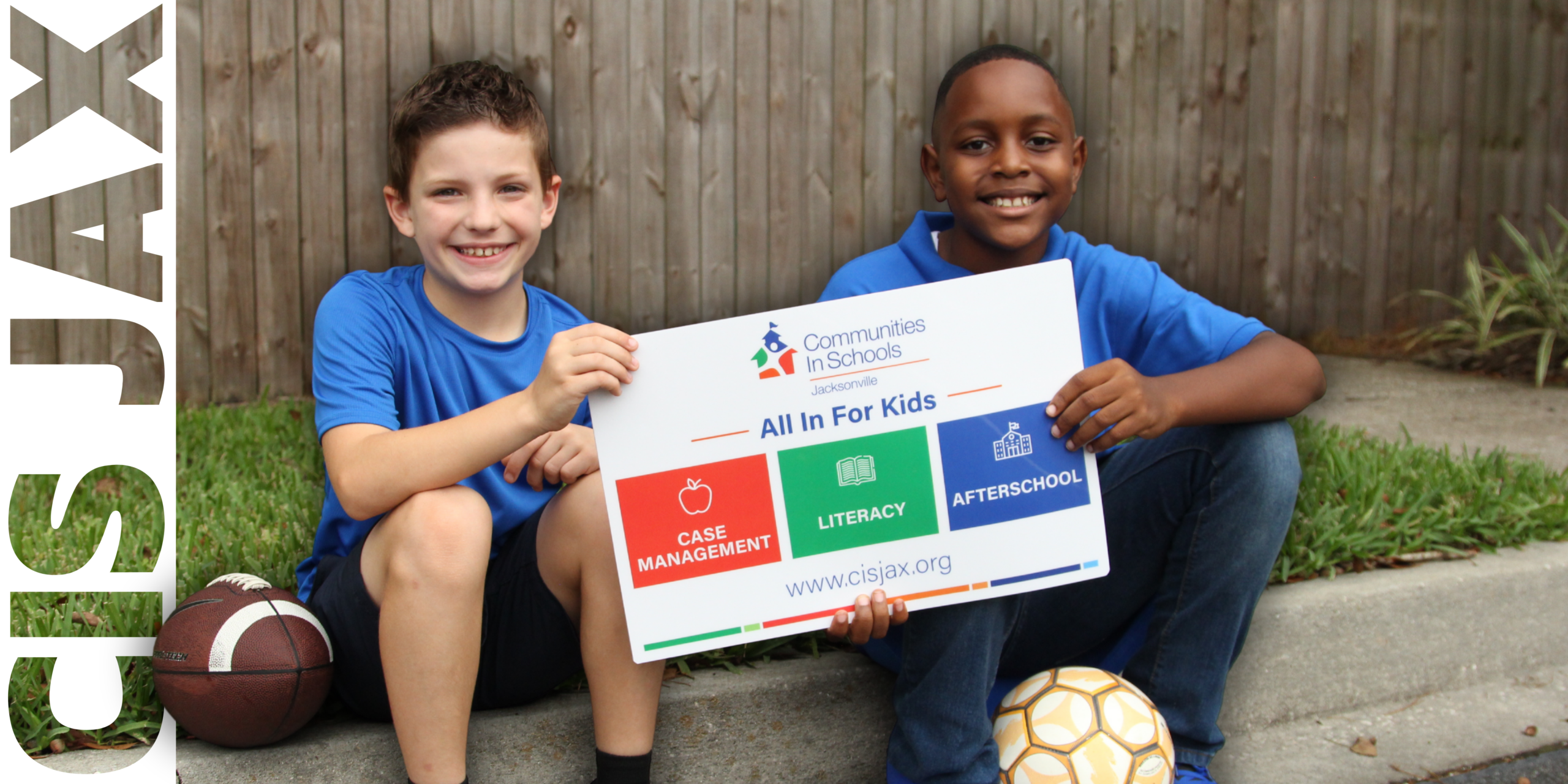
Schools, families, employers and community organizations all have a role in closing this gap. Organizations such as CIS Jax support Jacksonville students through literacy services, case management, afterschool activities and workforce development programs. These services connect school learning with the demands students will face after graduation.
What Is a Skills Gap?
A skills gap is the difference between the knowledge or ability a person currently has and what is required for a particular goal, course, career, or job.
For a high school student, the gap may involve technical knowledge. A student interested in office administration may not know how to use spreadsheets. A student interested in construction may lack experience reading measurements or following safety procedures.
The gap can also involve transferable skills. These are abilities used in many kinds of work, such as communication, teamwork, time management, problem-solving, and reliability.
A student does not need to be weak in every area to have a gap. Even a capable graduate may be missing one or two skills that affect job performance.
For example, a graduate may have:
- Strong technical knowledge but weak communication skills.
- Good grades but little workplace experience.
- Strong reading ability but limited digital knowledge.
- Good people skills but poor time management.
- A clear career goal but no plan for reaching it.
- Basic work experience but difficulty explaining it during an interview.
Recognizing these differences is important. It helps students focus their effort on the abilities that will make the greatest difference.
A Skills Gap Is Not the Same as a Lack of Intelligence
Students may believe that a rejected job application means they are not smart enough. That conclusion is often incorrect.
A skills gap normally points to an ability that has not been taught, practiced or demonstrated. It does not define a student’s potential.
A teenager who struggles during an interview may simply lack interview practice. A student who has never held a job may not know how to communicate with a supervisor. A graduate who submits a weak resume may have valuable experience but may not know how to describe it.
These problems can be addressed through instruction, practice, feedback, and real-world exposure.
Career Skill Gap Versus Job Skills Gap
A career skill gap refers to missing abilities that may affect a person across several jobs or career stages. Communication, decision-making, career planning, and professional behavior are examples.
A job skills gap is usually more specific. It refers to a missing ability required for a particular position.
For instance, a student applying for a customer service role may need to learn how to use a point-of-sale system. That is a job-specific need. If the same student struggles to listen carefully, remain calm, or explain information, those are broader career needs.
Both types matter. Job-specific abilities help a person qualify for a role. Broader career abilities help the person keep the job, work with others, and progress over time.
Why Does the Skills Gap Become Clear After Graduation?
High school students often follow a structured routine. Teachers explain assignments, deadlines appear on a calendar, and support is usually available when a student falls behind.
Employment is different.
Managers expect workers to ask useful questions, respond to feedback, and complete tasks with less supervision. Employees may need to adjust when instructions change. They may need to deal with customers, use unfamiliar software, or manage several duties at once.
These expectations can expose gaps that were less visible at school.
Academic Completion Does Not Always Equal Career Readiness
High school graduation requirements show that students have completed an approved course of study. They do not always show that a student can apply knowledge in a workplace.
A student may pass an English class but still struggle to write a professional email. A student may complete mathematics courses but have difficulty calculating a discount, reading a pay statement or estimating the time needed for a project.
This does not mean academic subjects lack value. Reading, writing, mathematics, science and social studies remain important. The issue is whether students receive enough chances to connect those subjects to daily work and adult responsibilities.
Career readiness requires application.
Students need opportunities to use classroom knowledge while solving realistic problems. They also need clear feedback about what employers expect.
Many Students Have Limited Work Experience
Part-time jobs, volunteering, internships, and school-based projects help students learn how workplaces function. Yet not every student has access to these opportunities.
Some students have family duties after school. Others lack transportation. Some live in areas with few youth employment options. Students may also avoid applying because they do not know where to begin.
Without early work exposure, the first full-time job can feel overwhelming. New graduates may be learning workplace language, customer service, scheduling, conflict management, and technical duties at the same time.
A lack of experience does not mean the student cannot succeed. It means the student may need more guidance during the transition.
Literacy Difficulties Can Affect Every Career Path
Reading is not only an academic subject. It is used to understand safety instructions, job listings, emails, policies, training manuals, and customer requests.
The 2024 National Assessment of Educational Progress found that the average reading score for twelfth-grade students was three points lower than in 2019 and ten points lower than the first grade 12 reading assessment in 1992. Scores declined across most performance levels.
A graduate with weak reading comprehension may struggle to:
- Understand job descriptions.
- Follow written procedures.
- Complete training modules.
- Interpret workplace messages.
- Identify key details in a contract.
- Write clear responses.
- Learn new duties without constant help.
These struggles can be mistaken for carelessness or a poor attitude. The actual problem may be an unresolved literacy need.
That is why early literacy programs should also be viewed as a foundation for later career preparation, not only as academic support for younger children.
Workplace Technology Changes Quickly
Students may feel comfortable using phones and social media but still lack workplace digital skills.
Knowing how to send a message through an app does not automatically mean a student can create a spreadsheet, manage online files, prepare a presentation, or write a professional email. Students may also need to understand cybersecurity, password safety, virtual meetings and responsible use of digital tools.
The World Economic Forum reported that employers expect 39% of workers’ core skills to change by 2030. The report also found that skills gaps were a major barrier for many surveyed employers. These findings cover a global employer group, but they show why students need the ability to keep learning after they are hired.
Teaching one software program is not enough. Students also need the confidence to learn new systems, follow instructions, and ask for help when needed.
Students Do Not Have Equal Access to Career Preparation
Some students grow up around adults who can explain career choices, review resumes, and introduce them to employers. Other students must work out these steps on their own.
Access can depend on family income, transportation, school resources, disability support, language needs, and local employer participation.
A student may have the ability to succeed but lack information about:
- Technical programs.
- Apprenticeships.
- Financial aid.
- Industry credentials.
- Internship openings.
- College requirements.
- Local career opportunities.
- Professional expectations.
When career information reaches students too late, they may miss application dates or choose courses that do not support their goals.
Closing the skills gap therefore requires more than offering a single workshop. Students need continuing access to trusted adults, clear information and practical experience.
How the Skills Gap Affects Students After Graduation
The effects may begin with one unsuccessful application. Over time, however, an unresolved gap can influence income, confidence, education and career choices.
Students May Take Longer to Find Employment
Many entry-level job advertisements request experience, communication ability and technical knowledge. A graduate with little evidence of these abilities may struggle to pass the first stage of hiring.
The student may submit many applications but receive few responses. This can happen because the resume is unclear, the application is incomplete, or the student has not shown how school, volunteer, or personal experience relates to the job.
Repeated rejection can lead students to stop applying. Some may accept the first available role without considering whether it supports their longer-term goals.
A proper skill gap assessment can help before this pattern begins. It allows the student to compare job requirements with current abilities and choose specific areas to improve.
Graduates May Be Underemployed
Underemployment occurs when people work fewer hours than they want or hold roles that do not use their education and ability.
A graduate may accept a position below their potential because they cannot show the skills required for another role. The issue may not be a total lack of ability. It may be a lack of experience, evidence, or confidence.
For example, a student may have helped organize school events but may not recognize this as project experience. Another may have handled family responsibilities that required planning, budgeting and communication. Without guidance, these students may not know how to present their experience to employers.
Career-readiness guidance can help students translate real activities into workplace language without exaggerating what they have done.
The Gap Can Affect Earnings
Education and job training both influence employment results. Bureau of Labor Statistics data for workers age 25 and older show that high school graduates with no college had median weekly earnings of $930 in 2024, compared with $1,099 for those with an associate degree and $1,543 for those with a bachelor’s degree only. The data do not account fully for apprenticeships or other job training, so education level is only one part of the employment story.
Skills also influence which roles a person can enter and how quickly that person can progress.
A student who develops communication, technical ability, and problem-solving skills may qualify for more responsibility. A student who does not address these areas may remain in positions with limited growth.
The goal should not be to push every graduate toward the same degree. Students need several respected options, including college, technical education, apprenticeships, public service and direct employment.
College Students May Need Extra Remedial Support
A skills gap can follow students into college.
Weak reading, writing, or study habits may make first-year courses harder. Students who cannot manage time may miss deadlines. Those who hesitate to ask questions may wait too long before seeking academic support.
This can lead to poor grades, course withdrawal, or extra tuition costs.
College readiness is not only about being admitted. Students also need the habits required to continue when the work becomes difficult.
These habits include:
- Reading detailed instructions.
- Planning work over several weeks.
- Taking useful notes.
- Contacting instructors professionally.
- Using feedback.
- Studying without constant reminders.
- Finding support before a small issue becomes serious.
Teaching these habits during high school can reduce stress after graduation.
Confidence Can Decline
Young people often connect job rejection with personal worth. They may compare themselves with friends who appear to be moving forward faster.
A graduate who struggles to find work may begin to say, “I am not good at anything.” That belief can become a larger barrier than the original missing skill.
A good career development program separates identity from current performance. It helps students say, “I need more practice in this area,” rather than, “I cannot succeed.”
Small achievements can rebuild confidence. Completing a resume, leading a group activity, passing a certification test or receiving positive internship feedback gives students clear evidence of progress.
Employers Also Feel the Effects
Employers may receive many applications but struggle to find candidates who can communicate, solve problems, and work responsibly.
NACE’s Job Outlook 2025 research found that 88.3% of surveyed employers looked for problem-solving skills on candidate resumes. Teamwork was sought by 81%, while 77.1% looked for written communication ability.
When new employees lack basic preparation, businesses may spend more time on early training. Supervisors may need to explain professional behavior that could have been introduced before graduation.
This is why employer participation in high school career programs matters. Businesses can explain current expectations, provide job-shadowing opportunities and offer feedback on student projects.
The Effects Can Continue for Years
An early job does not decide a person’s entire future. However, the first few years after graduation can shape later choices.
A student who learns how to apply for work, communicate with supervisors, and build new abilities is more likely to move forward when better opportunities appear.
A student who remains disconnected from education and employment may find it harder to return. Responsibilities increase with age, and the time available for training may decrease.
Early support can prevent a small career skill gap from becoming a long-term barrier.
Common Skills Gaps Among High School Graduates
Every student has different needs, but several gaps appear across many entry-level roles.
Communication Skills
Students need to communicate with supervisors, coworkers, customers, and instructors. This includes speaking, listening, and writing.
A communication gap may appear when a student:
- Gives incomplete answers.
- Avoids asking questions.
- Uses casual language in professional emails.
- Interrupts other people.
- Misses key details in instructions.
- Struggles to explain a problem.
- Becomes defensive when receiving feedback.
Communication can improve through role-playing, group projects, presentations, and regular written practice.
Students should also learn that professional communication does not require complicated words. Clear, respectful language is usually more useful.
Problem-Solving Skills
Work does not always follow a perfect set of instructions. Supplies may be missing, customers may change their requests, and technology may fail.
Students need a basic method for handling unexpected problems.
They can learn to:
- Describe the problem clearly.
- Separate facts from assumptions.
- Identify possible causes.
- Consider several responses.
- Ask for help when authority is needed.
- Try an appropriate solution.
- Review the result.
Problem-solving should be practiced with realistic cases. Memorizing a definition will not prepare a student to respond under pressure.
Teamwork and Conflict Management
School group projects can introduce teamwork, but students also need guidance on what good teamwork looks like.
A reliable team member completes assigned work, communicates delays, and respects other people’s roles. That person does not need to agree with every coworker.
Students should practice disagreeing without becoming disrespectful. They should know how to address a small issue before it becomes a larger conflict.
Employers value people who can work with different personalities. This ability can matter as much as technical knowledge in customer-facing and team-based roles.
Digital Workplace Skills
Digital ability includes more than phone use.
Depending on the role, students may need to:
- Write and format a document.
- Use basic spreadsheet functions.
- Organize files and folders.
- Join a virtual meeting.
- Create a simple presentation.
- Complete an online form.
- Protect private information.
- Recognize suspicious messages.
- Use calendars and task systems.
- Learn unfamiliar software.
A school does not need to predict every program a student will encounter. It can teach students how to follow tutorials, practice safely, and transfer knowledge from one system to another.
Professional Behavior
Professional behavior includes reliability, respectful communication, and responsibility.
Students may understand these ideas but not know how they appear at work. They need practical examples.
Arriving on time means planning transportation before the shift. Responsibility means reporting a mistake rather than hiding it. Professional appearance means following the standards of the specific workplace.
Students should also learn how to call out sick, request time off, respond to schedule changes, and communicate when they are running late.
These actions may seem basic to an experienced employee. They are not always obvious to someone entering a workplace for the first time.
Career Navigation Skills
Many students do not know how hiring works.
They may not understand the purpose of a cover letter, reference, or interview. They may not know how to research a company or compare training options.
Career navigation includes the ability to:
- Explore career fields.
- Read job descriptions.
- Compare education requirements.
- Find trustworthy salary information.
- Prepare an application.
- Build professional contacts.
- Ask for a reference.
- Follow up after an interview.
- Review a job offer.
- Plan the next stage of learning.
Without these skills, students may miss suitable opportunities even when they have the ability to perform the work.
Literacy and Numeracy
Workplace literacy includes reading, writing, listening and understanding information.
Numeracy involves using numbers in practical situations. Students may need to measure materials, estimate costs, count inventory or understand percentages.
These foundations support nearly every career path. A student may avoid reading-heavy or number-heavy roles because of embarrassment. Support should address the need without shaming the student.
Financial Skills
The first paycheck can create new questions.
Students need to understand gross pay, net pay, deductions, taxes, and direct deposit. They should know how to build a basic budget and avoid high-cost debt.
Financial literacy also helps students compare job offers. A higher hourly rate may not be better if the role offers fewer hours, higher travel costs, or no training.
Career preparation should include the financial side of employment, not only the application process.
How to Conduct a Skill Gap Assessment for a Student
A skills gap assessment gives a student a clear starting point. It should not be used as a test of personal value. Its purpose is to identify what the student can do now, what the chosen pathway requires, and what should be practiced next.
Step 1: Choose a Real Goal
The assessment should begin with a specific target.
“Become successful” is too broad. Better targets include:
- Qualify for an entry-level healthcare support role.
- Apply for a construction apprenticeship.
- Prepare for the first semester of college.
- Get a part-time customer service job.
- Enter an information technology certificate program.
The target determines which abilities matter.
Step 2: Study the Requirements
Students can review several real job descriptions, program pages, or apprenticeship listings.
They should note repeated requirements. If five listings mention customer communication, scheduling, and computer use, these areas deserve attention.
Students should not rely on one advertisement. One employer may use a different title or request extra duties.
Step 3: List Current Evidence
The student should identify proof of each ability.
Evidence may come from:
- School assignments.
- Volunteer service.
- Clubs or sports.
- Family responsibilities.
- Part-time employment.
- Personal projects.
- Certifications.
- Community programs.
- Internships or job shadowing.
Saying “I am a leader” is not enough. The student should describe an occasion when they organized people, made a decision, or handled responsibility.
Step 4: Rate the Current Level
A simple four-level scale works well:
- Not introduced: The student has little or no experience.
- Learning: The student understands the basics but needs support.
- Practicing: The student can complete the task with occasional guidance.
- Ready to demonstrate: The student can complete the task independently and explain it.
Ratings should be based on evidence. Students may rate themselves too harshly or too generously, so input from a teacher, counselor, or supervisor is useful.
Step 5: Identify the Most Important Gaps
Students should not attempt to fix every weakness at once.
The best priorities are abilities that:
- Appear often in target job descriptions.
- Affect several career paths.
- Can be improved through available practice.
- Prevent the student from taking the next step.
For many students, communication, reliability, and digital basics will have a greater short-term effect than a highly specialized skill.
Step 6: Create a Practice Plan
Each priority should include an action, deadline, and form of evidence.
For example:
“Improve interview communication” is vague.
“Complete three practice interviews, record the answers, and receive feedback from a teacher by May 15” is measurable.
The plan should fit the student’s schedule. An unrealistic plan often leads to frustration rather than progress.
Step 7: Repeat the Assessment
Skills develop through practice. The student should review progress every few months or when career goals change.
A skill gap assessment is a cycle:
Goal, evidence, comparison, practice, feedback, and reassessment.
This process also teaches students how to manage their own learning after graduation.
How to Identify Skill Gaps Before Graduation
Schools do not need to wait until senior year.
Career needs can be identified through classroom work, advising sessions, interest surveys, employer feedback, and practical projects.
Teachers may notice that a student understands a topic but struggles to explain it. A workplace supervisor may notice that the student waits for instructions instead of taking an appropriate next step. A literacy tutor may identify reading difficulties that affect several subjects.
No single assessment will capture everything. Schools should combine several sources of evidence.
Useful Sources of Evidence
A complete review may include:
- Student self-assessments.
- Teacher observations.
- Attendance and assignment patterns.
- Writing samples.
- Presentations.
- Digital projects.
- Employer or internship feedback.
- Career interest results.
- Industry credential results.
- Resume and interview exercises.
- Reading and mathematics assessments.
The goal is not to label students. It is to match support with need.
Ask Students What Feels Difficult
Students often know where they feel unsure, even when they cannot name the exact skill.
A student may say, “I hate speaking in front of people.” The deeper need may be preparation and confidence.
Another may say, “I never know what jobs to apply for.” The need may be career research and decision-making.
Open conversations help adults understand the reason behind the difficulty.
How to Complete a Skills Gap Analysis at School
A skills gap analysis examines needs across a group rather than focusing only on one student.
A school may compare what students are currently learning with what local colleges, training providers and employers expect.
This process can guide program planning, staff training and community partnerships.
Define the Desired Student Outcomes
Schools should begin by describing what students should be able to do by graduation.
Outcomes might include:
- Prepare a clear resume.
- Complete an online application.
- Explain personal strengths with evidence.
- Participate in a professional interview.
- Write a workplace email.
- Use common office tools.
- Understand basic financial documents.
- Research an education or career pathway.
- Respond to feedback.
- Complete a work-based learning experience.
Clear outcomes make it easier to review progress.
Review Existing Instruction
Schools can map where each ability is introduced, practiced, and assessed.
For example, students may learn presentation skills in English class but receive little practice after ninth grade. Resume writing may be covered during one short senior-year lesson. Financial literacy may appear in an elective that many students do not take.
Mapping can reveal gaps, repeated content, and missed opportunities.
Gather Employer and Training Provider Input
Local employers can explain what new workers commonly find difficult. Colleges and technical programs can identify habits that affect first-year success.
Input should be gathered in a structured way. One employer’s opinion should not define the entire program.
Schools can look for themes across several organizations and compare those themes with student evidence.
Prioritize Actionable Needs
A school cannot add a separate course for every workplace skill.
Some abilities can be built across subjects. Teachers can include professional email writing, group roles, project deadlines, and spoken presentations in existing coursework.
Other needs may be addressed through afterschool programs, internships, workshops, or community partners such as CIS Jax.
How to Identify Skills Gaps in Workforce Planning
Employers can also help answer the question of how to identify skills gaps in workforce preparation.
The process begins by looking beyond current vacancies. Employers should consider which entry-level roles are difficult to fill, which abilities new employees often lack, and which duties are likely to change.
Employers Can Follow Four Steps
1. Define Entry-Level Expectations
The employer should separate necessary day-one skills from abilities that can be taught after hiring.
Unrealistic job descriptions can create an artificial shortage. An entry-level applicant should not be expected to have several years of experience.
2. Review Performance Patterns
Supervisors can document common training needs among new employees.
They may find that technical duties are learned quickly, while communication or attendance problems take longer to address.
3. Communicate With Schools
Employers can share examples of workplace tasks without promoting one company.
A business might explain how employees use measurements, write customer notes or solve scheduling problems. Teachers can then connect academic lessons with real applications.
4. Offer Practice Opportunities
Job shadowing, workplace tours, internships and mock interviews help students understand expectations before they apply for full-time employment.
Work-based learning can include internships, job shadowing, cooperative education, pre-apprenticeships and registered apprenticeships. These experiences allow students to apply school learning in real work settings.
How to Close the Skills Gap
There is no single program that will address every need. Students require several connected forms of support over time.
The strongest approach begins early, connects academics with real tasks, and includes regular feedback.
Start Career Preparation Before Senior Year
Senior year is often filled with graduation requirements, applications and family decisions. Waiting until that point can make career planning feel rushed.
Career awareness can begin in middle school through age-appropriate activities. Students can learn about local industries, compare education pathways and identify interests.
During high school, career preparation can become more practical. Students can complete projects, meet professionals, practice interviews, and take part in workplace experiences.
Early exposure allows students to change direction without feeling that they have failed.
Strengthen Reading Through Literacy Programs
Literacy supports learning in every subject and career.
Strong literacy programs do more than ask students to read more pages. They identify specific needs, provide direct instruction, and give students regular practice with useful feedback.
For younger learners, a child literacy improvement program can address reading difficulties before they begin affecting science, mathematics, and later career preparation.
Early literacy support matters because reading tasks become more complex as students grow older. A child who struggles to understand a short passage may later struggle with textbooks, digital instructions, and technical materials.
CIS Jax’s Duval Reads literacy initiative provides one-on-one and small-group tutoring for young learners in Duval County. According to the organization, the program has served more than 8,000 elementary students since 1999.
Literacy support should also continue for older students when needed. Teenagers benefit from respectful, age-appropriate instruction that uses career materials, news articles, forms, and practical documents. When middle or high school students need extra tutoring support, CIS Jax can connect them with resources through partnerships and referrals.
Expand Work-Based Learning
Students understand workplace expectations more clearly when they experience them.
Work-based learning can include:
- Career talks.
- Workplace tours.
- Job shadowing.
- Student-run businesses.
- Service projects.
- Paid internships.
- Unpaid internships with clear learning goals.
- Pre-apprenticeships.
- Cooperative education.
- Career-focused capstone projects.
Quality matters. A student should not spend an entire internship doing unrelated basic tasks.
The experience should have learning goals, adult supervision, safety standards, and a chance to reflect on what was learned.
Connect Career and Technical Education With Academic Learning
Career and technical education can help students connect subjects with occupations.
National Center for Education Statistics data show that about 85% of 2019 high school graduates had completed at least one course in a career and technical education subject area.
Taking one course, however, does not automatically close a gap.
CTE programs are most useful when students can build a sequence of knowledge, gain practical experience, and understand how the training connects with local opportunities.
Academic and technical learning should support each other. A healthcare student still needs communication and mathematics. A technology student still needs reading and teamwork.
Teach Transferable Skills Directly
Schools often expect students to develop teamwork, reliability, and communication through ordinary assignments. Some students do. Others need clearer instruction.
Teachers and program leaders can name the skill being practiced.
Before a group task, students can discuss how roles will be divided. After the project, they can review how the group handled delays or disagreement.
Before a presentation, the teacher can explain how to organize information and respond to questions.
Direct instruction makes hidden expectations visible.
Provide Useful Feedback
“Good job” may feel positive, but it gives the student little guidance.
Effective feedback describes the behavior and the next step.
For example:
“Your answer included a clear example. Next time, explain the result of your action.”
This kind of feedback helps students understand what improvement looks like.
Students should also learn how to receive feedback without seeing it as a personal attack. Workplaces expect people to adjust based on guidance.
Build Digital Confidence
Digital learning should move from basic use to practical independence.
Students can practice creating documents, organizing files, checking sources, and learning a new program from instructions.
They should also understand the limits of automated tools. Students remain responsible for checking accuracy, protecting private information, and explaining their own work.
Digital confidence means being willing to learn while knowing when to verify information or ask for help.
Connect Every Student With a Trusted Adult
Career planning can be confusing, especially for students who are making decisions without family experience in a chosen field.
A counselor, teacher, or case manager can help the student break a large goal into smaller steps.
The adult does not need to make every decision. The role is to ask questions, provide accurate information, and help the student stay accountable.
Regular support is more useful than one meeting shortly before graduation.
How CIS Jax Helps Students Prepare for Life After Graduation
Communities In Schools Jacksonville works with students and families in Jacksonville, Florida, to address barriers that can interfere with education and career planning.
CIS Jax’s services include case management, literacy support, afterschool programming, and workforce development. These areas address different parts of student readiness.
Workforce Development Support
CIS Jax’s workforce development program helps high school students explore career options, identify strengths, and prepare for employment.
Program activities include career exploration, resume writing, mock interviews, financial literacy, college preparation, and connections with local opportunities.
This approach addresses both the career skill gap and the job skills gap.
Students learn how to choose a direction while also practicing abilities needed for applications and early employment.
Hope = Success Programming
CIS Jax describes Hope = Success as an afterschool and summer program for high school students. The program focuses on essential skills, career readiness, and practical knowledge for the job market.
Afterschool and summer programs can provide more time for career learning than a short classroom session.
Students can practice, ask questions, and receive guidance without the pressure of a graded academic course.
Case Management
Skills do not develop in isolation.
A student may miss a career workshop because of transportation. Another may struggle in class because the family lacks food or stable housing. Some students need help managing attendance, emotional stress, or academic difficulties before they can focus on employment.
CIS Jax places coordinators within Duval County Public Schools and provides personalized services for students who may be at risk of falling behind or leaving school. Support can include academic help, referrals, home visits and family support, and college or career guidance.
Addressing these barriers gives students a fairer chance to participate in career preparation.
Literacy Support
CIS Jax also recognizes that career readiness begins long before students write their first resume.
Through Duval Reads, younger students receive focused literacy tutoring. Reading confidence supports later academic work and gives students a stronger base for career learning.
A child who receives help early may be better prepared to understand complex information in middle school, high school, and future training.
Community Connections
Schools cannot provide every career connection, workplace example, or enrichment opportunity by themselves.
Community organizations can connect educators, families, and employers. These relationships help students learn about opportunities that may otherwise remain outside their normal circle.
For Jacksonville families seeking career guidance, literacy support or broader student services, CIS Jax provides a local point of connection.
A 90-Day Skills Plan for High School Students
Students do not need to solve every career question immediately. A focused 90-day plan can create useful progress.
Days 1–30: Choose and Assess
During the first month, the student should:
- Select one or two career fields to explore.
- Read at least five real job or training descriptions.
- Complete a skill gap assessment.
- Ask a teacher or counselor for feedback.
- Identify the three most important areas to improve.
- Create or update a basic resume.
The goal is clarity, not a final lifelong decision.
Days 31–60: Learn and Practice
During the second month, the student can:
- Complete a short course or workshop.
- Practice professional email writing.
- Take part in two mock interviews.
- Learn one useful digital tool.
- Complete a small career-related project.
- Attend a workplace tour or career talk.
- Ask an adult about their career path.
Practice should produce evidence the student can discuss or show.
Days 61–90: Demonstrate and Apply
During the final month, the student should:
- Revise the resume using feedback.
- Prepare examples of teamwork and problem-solving.
- Apply for suitable jobs, internships, or programs.
- Request references respectfully.
- Review interview performance.
- Update the skills assessment.
- Set the next 90-day goal.
This process helps students build momentum without becoming overwhelmed.
What Families Can Do
Parents and caregivers do not need to know every career option. They can still help students develop strong habits.
Families can encourage teenagers to take responsibility for schedules, communication and basic money decisions.
They can ask specific questions such as:
“What did you learn from that project?”
“What part was difficult?”
“What skill does this job require?”
“Who could give you useful feedback?”
Families should avoid making every phone call or completing every application for the student. Support is important, but students also need to practice handling adult responsibilities.
Transportation, clothing, and application costs can also become barriers. Discussing these needs early allows families and support organizations to look for solutions.
What Schools Can Do
Schools can treat career readiness as a shared responsibility rather than one counselor’s job.
English teachers can include workplace writing. Mathematics teachers can use budgeting and measurement examples. Technology teachers can teach digital file management and responsible online behavior.
Schools can also:
- Review career readiness across grade levels.
- Expand employer partnerships.
- Provide several career pathways.
- Offer interview and resume practice.
- Include financial literacy.
- Create work-based learning options.
- Track participation by student group.
- Provide extra support for transportation and access.
- Connect students with community organizations.
- Continue literacy support when assessments show a need.
Career preparation works best when students encounter it repeatedly.
What Employers Can Do
Businesses often say they need better-prepared applicants. They can help develop that preparation.
Employers can review job descriptions to remove unnecessary barriers. They can describe which skills are truly required on the first day and which can be learned during training.
They can also provide:
- Employee speakers
- Workplace visits
- Mock interviews
- Resume feedback
- Job-shadowing days
- Internships
- Pre-apprenticeships
- Entry-level training
- Clear feedback to schools
Paid opportunities are especially important for students who cannot afford to work without compensation.
How to Measure Progress
A program should not be judged only by the number of students who attended.
Attendance shows reach. It does not show whether a skill improved.
Better measures may include:
- Percentage of students with a career plan.
- Resume completion and quality.
- Interview performance before and after practice.
- Growth in reading or digital assessments.
- Completion of internships or job-shadowing experiences.
- Industry credentials earned.
- Applications submitted.
- Job or program placements.
- Student retention after placement.
- Employer feedback.
- Student confidence supported by demonstrated ability.
Schools and programs should also examine who is not participating.
If work-based learning is available but students without transportation cannot attend, the opportunity gap remains.
Common Mistakes When Addressing a Skills Gap
Waiting Until Graduation
Students need time to explore, practice, and change direction. A one-day senior workshop cannot replace several years of preparation.
Focusing Only on Technical Skills
Technical knowledge may help a student enter a role. Communication, reliability and learning habits often affect whether that student succeeds.
Using One Assessment
A written test cannot show every career ability. Schools should review projects, observations, interviews and real tasks.
Treating Students as Deficient
The language used around gaps matters.
Students should understand that an assessment identifies the next area for growth. It should not be used to define their worth or limit their options.
Ignoring Literacy
A student may appear to have a technical or attention problem when the deeper issue is reading comprehension.
Literacy support should remain available without embarrassment.
Teaching Without Practice
Students cannot learn interviewing by reading about it once. They need repeated practice with feedback.
The same rule applies to teamwork, workplace writing, problem-solving and digital tasks.
Giving Every Student the Same Plan
Students have different goals, responsibilities and starting points.
One student may need technical training. Another may need transportation support. A third may need literacy tutoring or extra interview practice to build confidence.
The destination and the barrier should guide the plan.
Frequently Asked Questions
What Is the Main Cause of the Skills Gap Among High School Graduates?
There is no single cause. Common factors include limited work experience, weak literacy foundations, little career guidance, unequal access to programs, and a lack of practice applying academic knowledge.
Changing workplace technology can also create new requirements before schools have time to adjust courses.
How Does the Skills Gap Affect Employment?
It can make it harder for graduates to qualify for jobs, perform well during interviews, and adjust to workplace expectations.
Some students may experience longer job searches or accept roles that do not match their ability. Employers may also need to spend more time teaching basic workplace habits.
What Is a Skill Gap Assessment?
A skill gap assessment compares a student’s current knowledge and abilities with the requirements of a chosen career, job, or education program.
It identifies strengths, areas for improvement, and practical next steps.
What Is the Difference Between a Skill Gap Assessment and Skills Gap Analysis?
An assessment often focuses on one person. A skills gap analysis may review an entire class, school, program, or workforce.
Both involve comparing current ability with desired performance. The scale and purpose are different.
How Can Students Identify Their Skills Gaps?
Students can review real job descriptions, list evidence of their current abilities, and ask teachers, counselors, or employers for feedback.
Mock interviews, practical projects, and workplace experiences can also reveal areas that need more practice.
How Can Schools Close the Skills Gap?
Schools can begin career preparation earlier, connect academic lessons with real tasks, and provide work-based learning.
They can also support literacy, digital ability, financial knowledge, communication, and career navigation.
Partnerships with employers and organizations such as CIS Jax can provide additional guidance and practical experience.
Why Are Literacy Programs Important for Career Readiness?
Reading and writing are needed to understand instructions, complete applications, follow safety rules, and learn new duties.
Early literacy programs can address difficulties before they affect later education and employment. Support during the elementary years creates a stronger base, while age-appropriate help should remain available for older students.
Can the Skills Gap Be Closed After Graduation?
Yes. Graduates can improve through community programs, technical education, apprenticeships, career-readiness programs, workplace training and independent study.
However, identifying needs before graduation can reduce delays, stress and unnecessary costs.
Does Every Student Need to Attend College to Avoid a Job Skills Gap?
No. College is one pathway, but it is not the only one.
Students may prepare through apprenticeships, technical programs, industry credentials, military service, public service or employer training. The right route depends on the student’s goals and the requirements of the field.
How Can CIS Jax Support Jacksonville Students?
Its workforce programs help high school students explore careers, develop practical skills, set goals and connect with local resources. Its broader student support services also address barriers that may affect attendance, learning and preparation for life after graduation.
Conclusion
High school graduation should not be the first time a student learns what employers expect.
The skills gap affects more than whether a young person receives one job offer. It can shape confidence, income, education choices and long-term career direction.
Closing the gap requires early literacy, direct career instruction, practical experience and regular feedback. Students need opportunities to apply what they learn. Families need clear information. Schools need community partners, and employers need to participate before students arrive at their doors.
The process begins by asking a simple question:
What can the student do now, and what do they need to practice next?
A clear skills gap analysis turns that question into action. It helps students build on their strengths rather than feeling defined by what they have not yet learned.
CIS Jax supports this work by connecting Jacksonville students with literacy resources, workforce preparation, case management, and afterschool opportunities. Through steady guidance and real-world preparation, more students can leave high school with more than a diploma. They can leave with a direction, useful experience, and the confidence to take their next step.