


Confidence rarely arrives as a speech. It grows when a student raises a hand for the first time, helps a teammate solve a problem, takes a safe risk, or hears, “You did a great job.” For many children, those moments happen after school, when the pressure of grades slows down and students get space to connect, move, create, lead, and try again.
That is why afterschool team activities for students matter so much. They give children more than something to do after the bell rings. They give them a place to belong. A shy student can join a group project and slowly start speaking up. A student who struggles in class can find success through music, sports, art, drama, or a hands-on challenge. A child who often feels left out can become part of a team with shared goals.
Confidence is not built by telling students to “be confident.” It is built through practice, support, encouragement, and real experiences. Students need chances to make choices, solve problems, handle small setbacks, and see that their voice has value. A strong afterschool program can provide all of that in a safe and structured way.
For schools, families, and community partners, afterschool programs are also a practical answer to a real need. Many parents want safe, meaningful, and engaging options for children after school hours. Educators want students to develop social skills, leadership, and stronger peer relationships. Community groups want to help young people grow into capable, caring, and responsible individuals.
At CIS Jax, the focus is not only on keeping students busy. The goal is to help students feel supported, connected, and ready to succeed. Through team-based activities, afterschool programs, school partnerships, and student-centered support, CIS Jax helps young people build confidence that can carry into the classroom, home, and future workplace.
This guide explains how afterschool team activities help students build confidence, which activities work best for different ages, and how schools and families can use these programs to support long-term student growth.
Why Confidence Matters for Students
Confidence affects how students learn, speak, try, and relate to others. A confident student is more likely to ask questions, join discussions, try a new activity, and recover after a mistake. Confidence does not mean a child is loud or fearless. It means the child believes, “I can try this,” even when the task feels hard.
Many students lose confidence because they compare themselves to others, fear embarrassment, or feel they are only valued for grades or behavior. Some students may also face stress outside school. They may deal with family pressure, food insecurity, unstable housing, bullying, social anxiety, or a lack of adult support. These challenges can affect how students see themselves.
Afterschool programs can help because they create a second space for success. A child who feels behind in math might shine during a group art project. A student who does not enjoy reading aloud might become a great team captain during a game. Another child might discover that they are good at helping others stay organized.
Confidence grows when students experience small wins often. Team activities offer those wins in natural ways. Students learn to plan, share, listen, create, move, perform, and lead. Each success becomes proof that they are capable.
How Afterschool Team Activities for Students Build Confidence
Afterschool activities work well because they combine structure with freedom. The school day often has strict schedules, academic pressure, and limited time for social connection. After-school programs can give students more room to explore who they are.
Students Learn They Have Something to Offer
Team activities show students that every role matters. One child may be good at drawing. Another may be good at speaking. Another may notice details. Another may help the group stay calm. When students see that their strengths help the team, they begin to value themselves more.
This is especially helpful for students who do not always receive praise during regular class time. A student who struggles with tests may discover that they are creative, funny, patient, organized, or good at encouraging others. That discovery can change how they show up at school.
Students Practice Speaking and Listening
Confidence grows when students learn how to express ideas without fear. Team activities give students chances to speak in smaller, safer groups before speaking in larger settings.
They may explain a game strategy, share an opinion during a project, perform a short drama scene, or help present a group idea. These moments build communication skills in a natural way.
Listening also matters. Students learn that confidence is not only about talking. It is also about respecting others, taking turns, and responding kindly. A student who learns to listen well often becomes a better teammate and leader.
Students Learn to Handle Mistakes
Mistakes are part of every team activity. A tower falls. A pass is missed. A scene goes wrong. A painting does not look as planned. A group disagrees.
These moments are valuable. They teach students that mistakes are not the end of the story. With adult guidance, students learn how to pause, rethink, apologize, adjust, and try again.
This is one of the most important confidence-building lessons. Students who can handle mistakes are more willing to take healthy risks. They become less afraid of failure and more open to growth.
Students Feel a Stronger Sense of Belonging
Belonging is closely tied to confidence. When students feel accepted, they are more likely to participate. When they feel ignored, judged, or excluded, they may shut down.
Afterschool team activities help students form friendships outside their usual groups. A student may work with classmates they rarely speak to during the school day. Through shared tasks and fun challenges, students begin to see one another differently.
A strong sense of belonging can also improve school attendance, behavior, and motivation. Students are more likely to care about school when they feel connected to people there.
The Role of Afterschool Programs in Student Development
Afterschool programs are not just “extra time.” They can support academic, social, emotional, and personal growth. A well-designed program gives students safe supervision, positive adult relationships, and meaningful activities.
Support Beyond the School Day
Many families need afterschool options because parents or caregivers work past dismissal time. But quality matters. Students need more than a room to sit in. They need activities that build skills and relationships.
A good program may include elementary literacy tutoring, games, group projects, fitness, creative arts, service projects, and leadership roles. This mix helps students grow in more than one area.
For families looking for trusted support, organizations such as CIS Jax can play an important role by connecting students with resources, supportive school staff, community partners, and programs that meet real needs.
Why Structure Matters
Children feel safer when they know what to expect. A strong afterschool program has clear rules, routines, and goals. At the same time, it should not feel too rigid. Students need room to make choices and enjoy the process.
A helpful structure might include:
- A welcome circle or check-in
- A short snack or break
- Homework or reading support
- A team activity
- Reflection time
- A calm dismissal routine
This type of rhythm helps students feel secure. When students feel secure, they are more willing to participate.
Why Adult Encouragement Matters
Adult support can shape how students see themselves. A simple comment from a teacher, coach, or program leader can stay with a child for years.
Students need adults who notice effort, not just talent. They need to hear things like:
- “You kept trying even when that was hard.”
- “You helped your teammate feel included.”
- “Your idea helped the group move forward.”
- “You showed leadership today.”
- “I’m proud of how you handled that.”
These statements help students connect confidence with effort, kindness, and responsibility.
After-school Activities for Elementary Students
Younger children build confidence through movement, play, creativity, and simple teamwork. Afterschool activities for elementary students should be easy to understand, age-appropriate, and full of chances to participate.
Elementary students often need shorter activities, clear directions, and frequent encouragement. They also benefit from activities that do not require one “winner” every time. The goal is to help students learn how to join, share, solve, and celebrate progress.
Group Story Building
Students sit in a circle and build a story together. One student starts with a sentence. The next student adds another sentence. The story continues around the group.
This activity helps children practice listening, creativity, and public speaking. It also shows them that their ideas matter. Shy students can start with short sentences and build confidence over time.
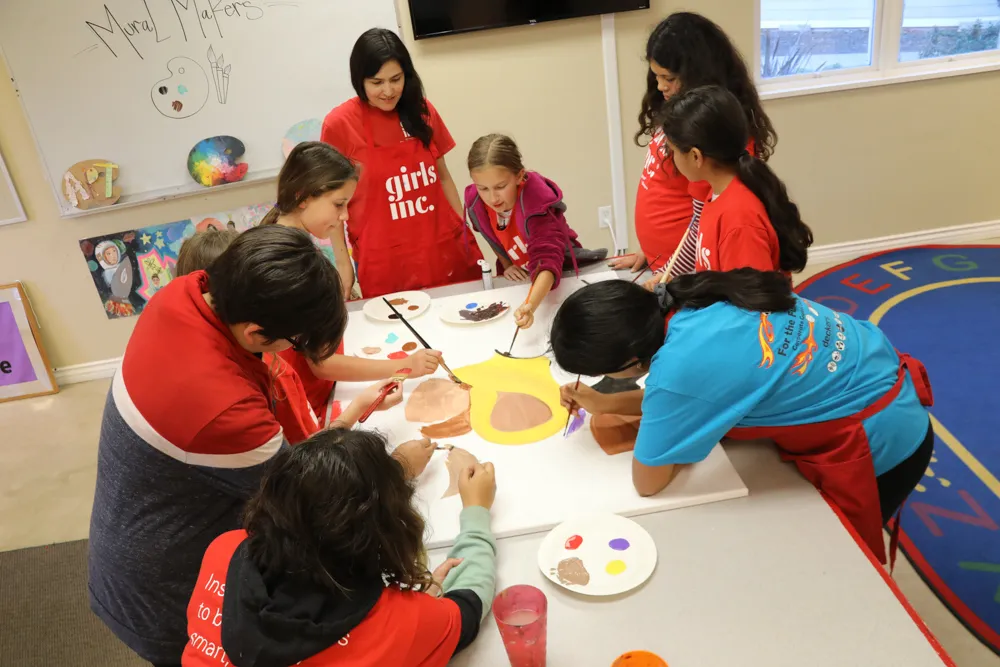
Team Art Murals
Students work together on a large paper mural based on a theme, such as kindness, community, dreams, or school pride. Each child adds a part of the artwork.
This activity is great because students can contribute without needing to be “the best artist.” They learn that a group project becomes stronger when everyone adds something.
Partner Reading Challenges
Students pair up and read short stories, poems, or passages. After reading, each pair shares one thing they liked or learned.
This supports literacy while also building confidence. Students practice reading in a low-pressure setting and learn to encourage a partner.
Cooperative Building Games
Using blocks, paper cups, straws, or craft sticks, students build a bridge, tower, or small structure as a team. The group must plan before building.
This teaches patience, planning, and problem-solving. When the structure works, students feel proud. When it falls, they learn to revise the plan.
17 Fun Team Building Activities for Kids in Your Classroom and Afterschool Program
The phrase 17 fun team-building activities for kids in your classroom often comes up because teachers and program leaders want simple ideas that actually work. These activities can be used during school hours or adapted for after-school programs.
- Human Knot: Students stand in a circle, reach across, and hold hands with two different people. Then they work together to untangle without letting go. This builds communication, patience, and group problem-solving.
- Silent Line-Up: Students must line up by birthday month, height, or first name without speaking. This helps students use nonverbal communication and pay attention to others.
- Cup Stack Challenge: Teams use cups and rubber bands with strings to build a tower without touching the cups directly. This teaches coordination and shared planning.
- Kindness Web: Students sit in a circle with a ball of yarn. One student gives a kind comment to another and passes the yarn. By the end, the group creates a web. This helps students see how kind words connect a group.
- Team Puzzle Race: Each team receives a puzzle or mixed set of picture pieces. Students must work together to complete it. This supports focus, patience, and teamwork.
- Group Drawing Switch: Each student starts a drawing. After one minute, they pass it to the next person, who adds something new. This teaches flexibility and creative trust.
- Balloon Keep-Up: Teams work together to keep a balloon from touching the floor. This is simple, active, and great for younger students.
- Compliment Circle: Students share one positive thing about the person beside them. This builds self-esteem and respectful speech.
- Build a Team Project: Teams use simple materials to create a model community space, robot prototype, or creative structure. This encourages planning, creativity, and cooperation.
- Pass the Clap: Students pass a clap around a circle while keeping rhythm. This builds focus, timing, and group awareness.
- Team Charades: Students act out words or scenes while teammates guess. This helps students feel comfortable performing in front of others.
- Paper Chain Goal: Teams create paper chains. Each strip includes a goal, strength, or kind action. This connects creativity with reflection.
- Group Memory Tray: A tray with objects is shown for one minute. Teams then list what they remember. This builds focus and group recall.
- Problem-Solving Stations: Students rotate through small team challenges, such as sorting, building, matching, or decoding clues. This gives each student a chance to lead in a different way.
- Trust Walk: One student guides a partner through a safe path using verbal directions. This builds trust and careful communication.
- Team Presentation: Small groups create short presentations about friendship, courage, respect, or school values. This builds speaking skills and creative confidence.
- Reflection Circle: After any activity, students answer simple questions: What worked? What was hard? Who helped the team? This helps students understand what they learned.
Sports and Group Activities That Build Confidence
Sports and group activities are powerful because they combine movement, teamwork, discipline, and healthy competition. Students learn how to follow rules, manage emotions, and support one another.
Not every student wants to play traditional sports, so programs should offer a range of options. Some students enjoy basketball, soccer, or track. Others prefer dance, creative movement, fitness circuits, robotics, strings, cooking experiences, or cooperative movement challenges.
Why Sports Help Students Grow
Sports teach students that effort matters. A child may not score the first time, but practice leads to progress. This builds a strong connection between effort and improvement.
Sports also teach students how to handle pressure. They learn to stay calm, listen to teammates, and keep going after mistakes.
Healthy Competition vs. Harmful Pressure
Competition can motivate students, but it must be handled carefully. The goal should not be to make some students feel better than others. The goal should be to teach teamwork, respect, and persistence.
Program leaders can keep competition healthy by praising effort, teamwork, and sportsmanship. Winning can be celebrated, but it should not be the only thing that matters.
Examples of Confidence-Building Sports Activities
Team-based movement activities can include:
- Basketball passing drills
- Soccer teamwork games
- Relay races with mixed teams
- Dance group routines
- Jump rope challenges
- Fitness stations
- Cooperative obstacle courses
These activities help students build body confidence, coordination, and peer support.
Creative Afterschool Activities
Creative afterschool activities like art, music, dance, strings, creative movement, and hands-on projects can help students express feelings and ideas they may not know how to explain with regular conversation. Creativity gives students another way to be seen.
Some students do not feel confident in academic or athletic settings. Creative activities allow them to succeed in different ways. A student may discover a strong singing voice, a talent for stage design, a gift for storytelling, or a love of painting.
Art Builds Personal Expression
Art gives students a quiet but powerful way to share who they are. Drawing, painting, collage, crafts, and design projects help students make choices and trust their ideas.
A student who completes an art piece can feel proud because the work came from their own mind and hands. Group art projects also teach students how to combine ideas and respect different styles.
Music Builds Focus and Group Awareness
Music teaches rhythm, listening, and practice. Whether students sing, drum, clap, or use simple instruments, they learn to stay aware of the group.
Music also supports emotional confidence. Students can use music to express joy, stress, hope, or energy. Performing as a group helps reduce fear because students are not standing alone.
Public Speaking Builds Voice and Courage
Public speaking activities help students practice speaking clearly, using body language, and organizing their thoughts before presenting to others. This can be very helpful for shy students.
Students can prepare speeches, participate in classroom presentations, or take part in opportunities such as oratorical competitions. They may act out how to handle conflict, how to ask for help, or how to include someone new.
Public speaking also helps students build confidence while learning to understand and respond thoughtfully to different perspectives.
Classroom Teamwork Activities That Work After School Too
Many classroom teamwork activities can be used after school with small changes. The key is to make them more relaxed, active, and student-led.
Group Problem Solving
Students can work in teams to solve age-appropriate challenges. For example, they may create a plan to improve the school garden, organize a food drive, create cards for older adults, design a kindness campaign, or build a model city with craft supplies.
These projects teach students how to share ideas and make group decisions. They also help students see that problems can have more than one solution.
Peer Teaching
Students take turns teaching a small skill to others. One student may teach a drawing technique. Another may show how to solve a puzzle. Another may teach a simple dance move.
Peer teaching builds confidence because students get to be seen as capable. It also builds respect because students learn from one another.
Team Reflection Journals
After group activities, students can write or draw what they learned. Younger students may answer simple prompts. Older students can write longer reflections.
Reflection helps students notice their own growth. They may write, “I spoke up today,” or “I helped my team finish.” These small notes can build self-awareness.
Student Leadership Skills Through Afterschool Activities
Student leadership skills develop when children are trusted with responsibility. Leadership does not have to mean being the loudest person in the room. A good leader can listen, organize, encourage, solve problems, and help others feel included.
Afterschool programs are a great place to develop leadership because students can practice in low-pressure settings.
Give Students Real Roles
Students can take on roles such as team captain, materials manager, timekeeper, encourager, group speaker, or cleanup leader. Rotating roles gives every student a chance to lead.
This is important because some students may not see themselves as leaders at first. When they are given a role and supported through it, they begin to believe they can handle responsibility.
Teach Leadership as Service
Leadership should not be taught as control. It should be taught as service. Students need to learn that leaders help the group succeed.
A student leader might ask, “Does everyone understand?” or “Who has not had a turn yet?” These habits build kindness and maturity.
Let Students Plan Activities
Older students can help plan parts of the afterschool program. They may suggest games, organize a service project, choose a discussion topic, or help younger students.
When students help shape the program, they feel ownership. That ownership builds confidence and responsibility.
How Team Activities Support Emotional Growth
Confidence is not only about performance. It is also about emotional strength. Students need to understand their feelings, manage frustration, and build healthy relationships.
Students Learn Patience
Teamwork requires patience. Students must wait for turns, listen to ideas, and accept that the group may not always choose their plan.
This can be hard at first. But with practice, students learn that patience helps the team work better.
Students Learn Conflict Resolution
Disagreements happen during team activities. One student may want to lead. Another may feel ignored. Two students may argue about rules.
These moments can become lessons. Adults can guide students to use calm words, explain feelings, and find fair solutions.
Students Learn Empathy
Team activities help students notice how others feel. They may see that a teammate is nervous, confused, or left out. With guidance, students learn to respond with kindness.
Empathy builds confidence because students feel more connected to others. They learn that they can make a positive difference.
Why Afterschool Team Activities Help Academic Success
Afterschool team activities do not replace academic instruction, but they can support learning in many ways. For elementary students, these experiences can complement literacy tutoring by reinforcing communication, teamwork, and confidence. Confidence, focus, communication, and persistence all affect academic performance.
Better Classroom Participation
Students who build confidence after school may become more willing to participate during class. A child who learns to speak during a team activity may later feel more comfortable answering a question.
Stronger Problem-Solving Skills
Team challenges teach students how to think through problems step by step. This skill can help with reading, math, science, and writing.
Students learn to ask:
- What is the goal?
- What do we already know?
- What can we try first?
- What did not work?
- What should we change?
These questions are useful far beyond the afterschool setting.
Better Focus and Responsibility
Team activities often require students to follow directions, manage time, and complete tasks. These habits can support classroom behavior and academic growth.
When students feel more capable, they are also more likely to stay engaged with school.
How CIS Jax Supports Confidence Through Afterschool Programs
CIS Jax understands that students need more than academics to succeed. They need relationships, resources, guidance, and safe spaces where they can grow.
Through school-based support and community partnerships, CIS Jax helps students overcome barriers and stay connected to their education. Afterschool team activities can be part of that support because they help students build confidence, leadership, and peer relationships.
A Student-Centered Approach
Every student has different strengths and needs. Some elementary students benefit from free literacy tutoring. Older students may benefit from workforce development opportunities, college preparation, or connections to additional community resources through partnerships and referrals. Some need social encouragement. Some need help with basic needs. Some need a trusted adult who checks in and listens.
CIS Jax focuses on the whole student. That means looking at what affects a child inside and outside school.
Connecting Families, Schools, and Community Support
Strong student support often requires teamwork among families, schools, and community partners. Working together helps students build confidence, stay engaged in school, and prepare for future success. CIS Jax helps connect those pieces so students do not have to face challenges alone.
For families searching for nonprofit organizations in Jacksonville, FL, CIS Jax stands out because of its student-focused mission and school-based support. The goal is to help young people stay in school, grow in confidence, and move toward a stronger future.
Why Community Support Matters
Afterschool programs need caring adults, safe spaces, materials, planning, and community backing. When local organizations, schools, volunteers, and donors work together, students benefit.
Community support can help provide:
- Professional volunteers and caring adult role models
- Supplies for creative and academic activities
- Safe afterschool spaces
- Leadership and service opportunities
- Family support resources
- Consistent encouragement for students
This kind of support helps students feel that their community believes in them.
How Parents Can Encourage Confidence at Home
Parents and caregivers play a major role in confidence building. After-school activities can help, but the message becomes stronger when students hear support at home too.
Ask Better Questions
Instead of only asking, “Did you win?” or “Did you get it right?” parents can ask questions that focus on effort and growth.
Helpful questions include:
- What did you try today?
- Who did you work with?
- What was hard?
- What made you proud?
- Did you help anyone?
- Did someone help you?
These questions teach children that effort, teamwork, and kindness matter.
Praise Effort More Than Talent
Children need praise, but the type of praise matters. When adults only praise talent, children may fear losing that label. When adults praise effort, children learn that practice matters.
Instead of saying, “You are the best,” try saying, “You worked hard on that,” or “I saw how you kept trying.”
Let Children Share Their Progress
Students can show parents an art project, a group performance, a team certificate, or a reflection journal. This gives children a chance to speak proudly about what they did.
When adults listen with interest, children feel valued.
How Schools Can Build Strong Afterschool Team Programs
Schools can support student confidence by designing afterschool programs with purpose. Activities should be fun, but they should also help students develop skills.
Create a Safe and Respectful Culture
Students need to know that teasing, exclusion, and harsh criticism are not accepted. A strong program sets clear expectations for kindness and respect.
Program leaders should model the behavior they want students to use. Students learn from how adults speak, respond, and solve problems.
Include Student Choice
Students are more engaged when they have choices. Programs can offer activity stations or allow students to vote on group projects.
Choice helps students feel respected. It also helps them discover interests they may want to keep building.
Support Program Staff and Volunteers
Adults leading afterschool programs should understand child development, group management, and positive communication. They should know how to encourage students, handle conflict, and include quiet children. For CIS Jax, this includes creating welcoming environments where every student has opportunities to participate and build confidence.
A caring adult can make an activity meaningful. Without guidance, even a good activity can become stressful or disorganized.
Track Student Growth
Programs can track confidence growth through simple tools. This does not need to feel like a test. Staff can note participation, teamwork, leadership, and emotional growth.
Questions to track may include:
- Is the student joining activities more often?
- Is the student speaking up more?
- Is the student helping peers?
- Is the student handling mistakes better?
- Is the student taking on leadership roles?
These signs show that the program is making a difference.
Activity Planning Tips for Program Leaders
A strong activity does not have to be expensive or complicated. What matters most is purpose, safety, and inclusion.
Start With a Clear Goal
Before choosing an activity, decide what skill you want students to build. Is the goal communication, trust, creativity, leadership, patience, or problem-solving?
Once the goal is clear, it becomes easier to choose the right activity.
Keep Instructions Simple
Students should understand what to do quickly. Long instructions can cause confusion. Use short steps, show an example, and check for understanding.
Make Room for Every Student
A good team activity gives every student a role. Avoid games where only the fastest, loudest, or most athletic students succeed.
Offer different ways to participate. Some students may lead, some may build, some may write, some may present, and some may organize.
End With Reflection
Reflection turns an activity into a lesson. After the activity, ask students what they learned about themselves and the group.
Even a two-minute reflection can help students connect the activity to confidence.
Common Mistakes to Avoid
Even well-meaning programs can miss the mark if activities are not planned carefully.
Focusing Only on Winning
Winning can be fun, but too much focus on winning can hurt confidence. Some students may stop trying if they think they are not good enough.
Balance competition with cooperation. Praise teamwork, effort, and improvement.
Letting the Same Students Lead Every Time
Some students naturally take charge. That can be positive, but every student needs a chance to lead.
Rotate roles so quiet students, new students, and less confident students can practice leadership too.
Ignoring Group Conflict
Conflict does not disappear when adults ignore it. Students need help learning how to manage disagreements.
Use conflict as a teaching moment. Help students speak respectfully, listen, and find fair solutions.
Choosing Activities Without Purpose
Fun is important, but activities should also support growth. Ask what students will learn from the activity.
The best activities are enjoyable and meaningful.
Measuring Confidence Growth in Students
Confidence can be seen through behavior. It may show up slowly, so adults need to pay attention to small changes.
A student may begin by watching from the side. Later, they may join for five minutes. Then they may speak in a small group. After more time, they may lead part of an activity.
These steps matter. Confidence grows through progress, not perfection.
Signs a Student Is Building Confidence
Look for signs such as:
- More eye contact
- More willingness to join
- Better response to mistakes
- More positive self-talk
- More helpful behavior
- More comfort speaking in groups
- More interest in trying new activities
- More ability to ask for help
These signs show that students are developing a stronger belief in themselves.
Ask Students How They Feel
Adults should not only observe students. They should also ask students about their own experiences.
Simple questions can help:
- What activity made you feel proud?
- What is something you can do now that felt hard before?
- Who helped you feel included?
- What do you want to try next?
Students often know more about their growth than adults realize.
Why Afterschool Team Activities Are Worth the Investment
Afterschool programs require time, planning, funding, staff, and community support. But the return is meaningful. Students who feel confident are more likely to stay engaged, build healthy relationships, and believe in their future.
Confidence affects how students walk into a classroom, join a group, face a challenge, and speak about themselves. It can shape choices, friendships, and goals.
For schools, quality afterschool programs can support school culture. For families, they can provide safe and useful care. For communities, they can help young people grow into stronger leaders, workers, and neighbors.
This is why support from local partners matters. When schools and nonprofit organizations in Jacksonville FL work together, students receive more complete support. CIS Jax plays an important role in this work by helping students access encouragement, resources, and opportunities that support long-term success.
Final Thoughts
Afterschool team activities for students build confidence because they give children real chances to try, connect, lead, create, and grow. Confidence does not come from one activity or one compliment. It grows through repeated experiences where students feel safe, supported, and valued.
A strong afterschool program can help a quiet student find their voice. It can help a struggling student discover a strength. It can help a lonely student feel included. It can help a natural leader learn responsibility and kindness.
Sports, art, dance, music, classroom teamwork activities, group challenges, and leadership roles all have value when they are guided with care. The goal is not just to fill time after school. The goal is to help students believe they matter and can contribute.
At CIS Jax, we believe every student deserves that opportunity. Our afterschool programs provide a safe, supportive environment where students can learn, connect, and thrive. If you’re looking for an enriching afterschool program, we invite you to learn more and sign up here: CIS Jax Afterschool Application
When students learn to trust their voice, work with others, and keep going after mistakes, they carry those lessons far beyond the afterschool program. They carry them into the classroom, into friendships, into family life, and into the future they are still learning to build.