

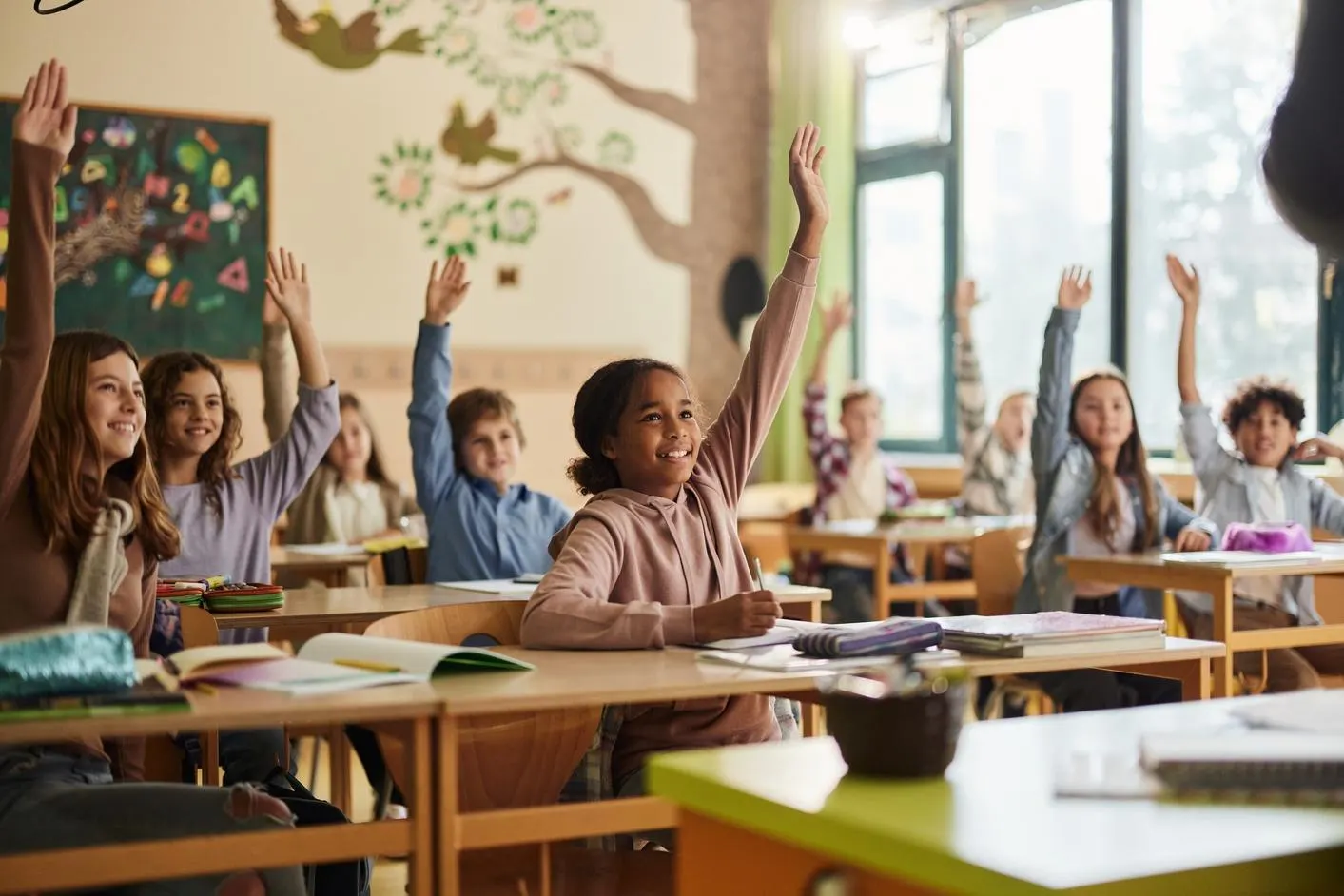

For many students, balancing education and life responsibilities can be an overwhelming task. Between schoolwork, extracurricular activities, part-time jobs, family commitments, and social lives, it can often feel like there aren’t enough hours in the day. However, the role of schools goes far beyond just teaching academic subjects; they also play an essential part in helping students navigate the complexities of life.
At CIS Jax, we understand that students face unique challenges as they try to balance multiple responsibilities. Whether it’s managing assignments or dealing with family pressures, schools offer critical support systems and resources that help students find that balance. So, how do schools help students balance education and life responsibilities? Let’s explore the tools and strategies that schools, including those supported by organizations like CIS Jax, use to ensure students succeed academically while managing life outside of school.
The Challenges of Balancing Education and Life
The modern student’s life is busy—there’s no denying that. Many students are trying to juggle:
- Academic demands like homework, exams, and project deadlines
- Extracurricular activities such as sports, clubs, and community involvement
- Part-time jobs to earn money or gain work experience
- Family responsibilities, such as taking care of younger siblings or helping with household chores
- Social lives to connect with friends and maintain mental well-being
Balancing these tasks can quickly become overwhelming, leading to stress, burnout, or even academic struggles. Schools, however, are well aware of these pressures and have put systems in place to offer students the support they need to thrive.
How Schools Help Students Balance Education and Life Responsibilities
Schools help students balance education and life responsibilities in several ways, from offering academic support to promoting emotional well-being. Let’s explore some of the most effective strategies.
1. Providing Academic Support and Flexible Learning Options
One of the key ways schools help students balance education is by offering academic support. Students need to be able to manage their coursework without sacrificing other important aspects of their lives. By providing options like study halls, tutoring programs, and online learning resources, schools give students the tools they need to keep up with their studies while managing other responsibilities.
Examples of academic support include:
- After-school tutoring sessions where students can get extra help with challenging subjects
- Study groups that encourage collaborative learning and peer support
- Online platforms for completing homework or reviewing lessons outside of school hours
- Extended deadlines or flexible testing options in cases where students are dealing with significant life responsibilities
2. Teaching Time Management and Organizational Skills
Effective time management is one of the most important skills students can learn to balance education and life responsibilities. Schools often include time management workshops or integrate these skills into the curriculum to help students stay organized.
These programs teach students how to prioritize tasks, set goals, and allocate time for school, work, and personal life. Learning how to create schedules or use planners can make a huge difference in students’ ability to meet deadlines and stay on top of their commitments without feeling overwhelmed.
Key strategies taught in schools include:
- Creating weekly or daily schedules to allocate time for homework, chores, and other activities
- Setting realistic goals for academic and personal achievements
- Breaking down large tasks into manageable steps to avoid procrastination
3. Offering Mental Health and Emotional Support
Maintaining mental and emotional well-being is critical for balancing school and life. Many schools recognize this and provide counseling services and mental health resources to ensure students have a support system in place. These services offer students a safe space to discuss their challenges and receive guidance on coping with stress.
Examples of mental health support include:
- Counseling services where students can speak with a school counselor about academic or personal concerns
- Stress management workshops to teach relaxation techniques and healthy coping mechanisms
- Peer support groups where students can connect with others going through similar challenges
- Referral to external mental health professionals if needed for ongoing support
By providing these resources, schools ensure that students don’t have to face their challenges alone, which makes it easier for them to manage both academic and life responsibilities.
4. Encouraging Extracurricular Activities for Personal Growth
Extracurricular activities are often seen as an important part of a well-rounded education. These activities, such as sports, art, music, or volunteering, allow students to engage in things they are passionate about, while also learning valuable life skills like teamwork, leadership, and communication.
Many schools recognize the value of extracurricular activities and encourage students to participate, helping them balance their academic commitments with their personal interests. For students who have family or work obligations, engaging in an activity they enjoy can also provide a much-needed break from the stresses of everyday life.
Benefits of extracurricular activities include:
- Building time management skills as students learn to balance activities with their studies
- Creating social networks that help students feel supported and connected
- Providing emotional outlets for stress relief and relaxation
5. Providing Literacy Programs for Kids
One of the foundational ways schools help students balance education and life is through literacy programs for kids. Literacy isn’t just about reading and writing; it also involves learning how to process information, organize thoughts, and communicate effectively. These skills are essential for students to manage their schoolwork and daily responsibilities efficiently.
By offering literacy programs, schools help students become better at organizing their thoughts, managing their assignments, and engaging in meaningful discussions—all skills that are essential for balancing education with other life demands.
Examples include:
- Reading comprehension workshops that help students improve their ability to understand and organize information
- Writing support programs that teach students how to structure essays and research papers effectively
- Public speaking and communication skills programs that encourage self-expression and confidence
How CIS Jax Supports Students in Balancing Education and Life
At CIS Jax, we understand the unique challenges faced by students, particularly first-generation college students who may also be navigating life responsibilities such as jobs or family care. Our mission is to provide students with the support they need to excel academically while also managing personal life demands.
Some of the services we offer include:
- Academic coaching and tutoring to provide personalized help and guidance
- Time management workshops to teach students how to prioritize and schedule their responsibilities
- Social-emotional learning programs to help students manage stress and navigate their emotions effectively
- Access to community resources, including food banks, transportation assistance, and other essential services
By offering these resources, CIS Jax ensures that students not only succeed in their academic endeavors but also thrive in other areas of their lives.
The Importance of a Balanced Approach to Education and Life
Ultimately, balancing education with life responsibilities is about more than just managing time—it’s about helping students become well-rounded individuals who can thrive academically and personally. Schools that focus on providing a balanced approach to education equip students with the tools they need to succeed in school and beyond.
Whether it’s through academic support, mental health resources, or literacy programs for kids, schools play a critical role in guiding students through this journey. It’s important that students feel supported and have access to the resources they need to balance both their academic and personal lives effectively.
As we continue to support students at CIS Jax and beyond, it’s clear that a well-rounded approach to education—not just focusing on the books but also on life skills—is the key to helping students succeed in all areas of life.
FAQs
1. How do schools help students balance education and life responsibilities?
Schools assist students in balancing education and life by providing a variety of support systems. These include academic support services like tutoring, study halls, and flexible learning options to accommodate diverse needs. Additionally, schools teach time management skills through workshops or an integrated curriculum, helping students prioritize tasks. Mental health resources, such as counseling services, ensure students can manage stress. Extracurricular activities allow students to explore personal interests while promoting social skills and personal growth. By addressing both academic and personal well-being, schools help students manage the demands of education and their lives outside of school.
2. Why is time management important for students, and how do schools teach it?
Time management is crucial for students to balance academic work, personal responsibilities, and extracurricular activities. It helps students stay organized and reduce stress by allowing them to plan tasks effectively. Schools often teach time management through structured workshops, where students learn how to set priorities, create schedules, and break down large projects into smaller, manageable tasks. Many schools also integrate time management strategies into the curriculum to help students practice these skills. The goal is to help students find a routine that allows them to fulfill both educational and personal responsibilities without feeling overwhelmed.
3. How do CIS Jax programs help students balance education and life responsibilities?
Our programs play a vital role in helping students balance education and life responsibilities by enhancing reading, writing, and communication skills. Strong literacy skills allow students to process information more efficiently, reducing time spent on assignments and improving academic performance. Schools that offer literacy programs for kids focus on teaching students to organize their thoughts, write clearly, and comprehend complex materials. With these enhanced skills, students can better manage schoolwork, communicate more effectively, and stay organized in both academic and personal tasks, allowing them to strike a balance between school and life responsibilities.
4. What role do extracurricular activities play in helping students manage their responsibilities?
Extracurricular activities are essential for helping students develop a balanced life. They provide an opportunity to step away from academics and engage in activities that promote personal growth, like sports, music, or volunteering. These activities teach important life skills, such as teamwork, leadership, and time management, which are crucial for balancing education with other responsibilities. Moreover, engaging in extracurriculars helps reduce stress and supports mental well-being by offering an emotional outlet. Students who participate in such activities can improve their ability to manage schoolwork and personal commitments, creating a well-rounded and balanced routine.
5. How do schools address students’ mental health needs to help with balance?
Schools recognize the importance of addressing students’ mental health to help them balance academic responsibilities with life commitments. Some offer counseling services where students can discuss academic stress, family concerns, or personal challenges. Schools also offer stress-management workshops, helping students develop coping mechanisms for anxiety and pressure. Many schools integrate social-emotional learning programs into their curriculum, teaching students skills such as self-regulation, empathy, and emotional resilience. By supporting mental health, schools help students build the emotional foundation they need to manage both academic and personal demands more effectively.
Conclusion
Balancing education and life responsibilities is no easy feat for students, but schools and organizations like CIS Jax are working to ensure that students are supported in every way possible. From academic coaching to mental health services, schools offer essential tools and resources to help students navigate the challenges they face. By prioritizing student well-being and providing the necessary support systems, schools are setting students up for success both in school and in life.
By fostering time management, emotional health, and literacy skills, schools ensure that students not only succeed academically but also develop into confident, resilient individuals who are ready to take on the world. Whether through literacy programs for kids or school-based support systems, the importance of a balanced approach to education is clear.
Related Tag: Child Literacy Improvement Program