


Summer can help a child grow, or it can let good habits slip away. That is the truth many parents face every year. School ends, the routine changes, and long days open up. At first, that sounds exciting. A break feels earned. Kids need rest. Families want more time together. But after a week or two, many parents start to see the other side of summer. Bedtimes get later. Screen time grows. Reading slows down. Math gets rusty. Some students feel bored. Some feel lonely. Some lose the structure that helps them do well. That is why summer camp programs for students matter so much.
They are not just a way to keep kids busy. They help students stay active, keep learning, build friendships, and gain skills that last far beyond one season. Good camps mix fun with purpose. They give students a place to belong. They give parents peace of mind. They give communities a stronger future.
For families looking at student summer activities, the goal should not be to fill time. The goal should be to use summer wisely. A strong program can help a shy child speak up. It can help a struggling student feel more confident. It can help a curious learner explore science, art, music, sports, reading, leadership, and service in ways the regular school year may not allow.
This is also where youth enrichment programs, academic summer programs, and afterschool summer camps stand apart from casual entertainment. These programs are built to support the whole student. They do not replace summer fun. They make that fun meaningful.
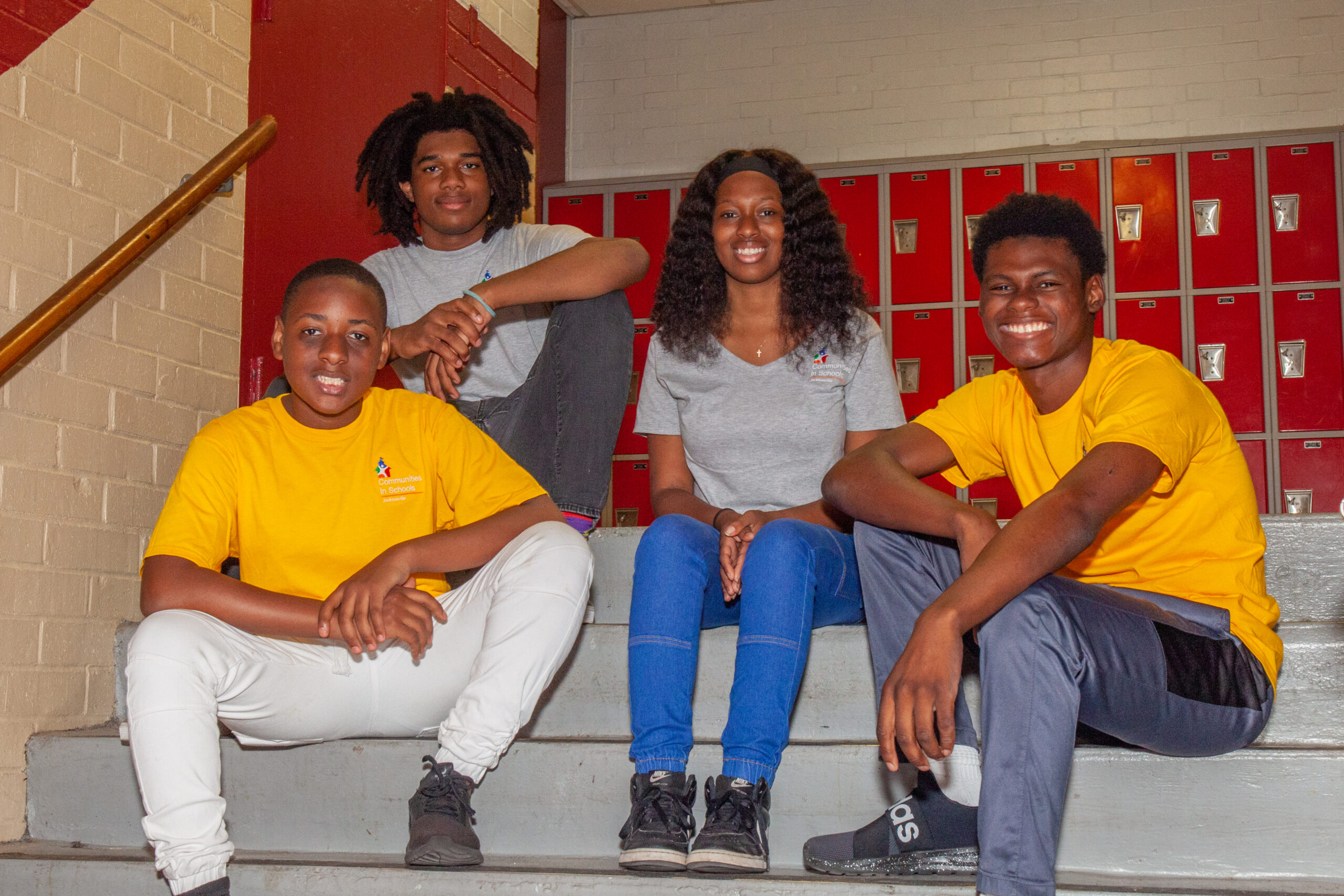
For families in Jacksonville, trusted local support matters, and that is exactly what Communities in Schools Jacksonville, FL is built to provide. Through our summer camp programs, CIS Jax offers more than a place for students to spend the day. It creates a structured, full-day environment where academic enrichment, recreation, life skills, and community connection all come together in a safe, supportive setting.
This article looks at why summer camp programs matter, what students gain from them, what families should look for, and how a community-based organization like CIS Jax delivers meaningful support that extends beyond the classroom.
Summer Break Is Not Always the Break Students Need
Summer sounds simple. No school. No homework. No early bus. No tests.
But for many families, it is not that simple.
The school year gives students a daily rhythm. They wake up at a set time. They interact with teachers. They follow a plan. They move from one task to the next. That structure supports more than grades. It supports behavior, emotional balance, and a sense of progress.
When summer begins, that rhythm often disappears.
The Hidden Cost of Unstructured Summers
A few slow days can be healthy. Ten long weeks with little structure can create problems.
Students may struggle with:
- Lost learning habits
- Too much screen time
- Less physical activity
- Fewer chances to socialize in person
- Irregular sleep
- Increased boredom
- Lower motivation
- Stress for working parents
For some children, summer is not just idle. It is isolating.
That can be even harder for students who already need extra support. A child who depends on school for routine, meals, guidance, or emotional connection may feel that loss quickly. Families may do their best to fill the gap, but many parents still have jobs, bills, and limited childcare options.
This is one reason summer camp programs for students have become so important. A good camp helps protect the progress students have made during the school year. It gives them a place to stay active, engaged, and connected.
Summer Should Add to a Child’s Growth, Not Pause It
Parents do not need summer to feel like another school term. Most do not want that. Kids need joy. They need movement. They need time to explore.
But they also need more than passive entertainment.
Strong student summer activities keep kids involved in life. They help students read, create, build, play, think, and connect. They turn long, empty days into days with purpose.
That purpose can include:
- Academic support
- Creative expression
- Physical activity
- Social development
- Leadership practice
- Community awareness
- Time with caring adults
Summer should feel different from school, but it should still help students move forward.
What Summer Camp Programs for Students Really Offer
When some people hear the word “camp,” they think only of games, snacks, and outdoor fun. That is part of it, and it matters. Kids need fun. They need laughter. They need memories.
But the best Summer Camp Programs for Students offer much more.
They Give Students Structure Without Pressure
One of the biggest strengths of a camp program is balance.
School can feel intense. Summer can feel too loose. Camp sits in the middle. It gives students a daily plan, but in a way that feels lighter and more engaging.
A strong camp day may include:
- Morning check-in
- Reading or academic time
- Group projects
- Outdoor play
- Art or music
- STEM activities
- Hot meals and social time
- Lunch and social time
- Leadership activities or reflection
- Sports or recreation
That type of schedule helps students stay grounded. It creates a healthy rhythm without the pressure of grades or exams.
They Help Students Feel Seen
Not every child shines in a regular classroom. Some need a smaller group. Some need more movement. Some need more encouragement. Some need a different setting to show what they can do.
A camp setting often brings out strengths that school does not always reveal.
A quiet student may become a strong team leader during a project. A child who struggles with worksheets may love hands-on science. A student who feels unsure at school may open up during art, sports, or group games.
These moments matter. They shape identity.
They Turn Time Into Opportunity
Summer is long. Families pay attention to how that time is used because time matters.
A high-quality camp does not just watch kids. It uses each week to help students grow in clear ways:
- Learn new skills
- Practice old skills
- Meet new friends
- Build confidence
- Stay connected to caring adults
- Try healthy routines
- Explore interests that may shape future goals
That is why many families now see youth enrichment programs and academic summer programs as important parts of a child’s year, not just optional extras.
Academic Growth Is a Major Part of Summer Success
One of the clearest reasons to invest in Summer Camp Programs for Students is academic support.
This does not mean every camp should feel like school. It means a strong summer program should protect learning while keeping students interested.
Summer Learning Loss Is Real
Teachers and parents often see the same pattern each fall. Students return to school and need time to get back on track. Reading fluency may drop. Math facts may fade. Writing may feel harder. Focus may take time to rebuild.
This can affect any student, but it hits struggling learners hardest.
Without steady practice, students can lose ground during the summer. Then the new school year starts with a review instead of progress.
That is where academic summer programs can help.
They keep skills warm through:
- Reading time
- Writing prompts
- Math games
- Vocabulary work
- Science exploration
- Learning-based field trips
- Group problem-solving
Students do not need endless worksheets. They need active learning that feels useful and enjoyable.
Learning Feels Different at Camp
One of the best things about summer programs is that learning does not have to feel stiff.
A camp may teach math through cooking. Reading through story circles. Science through nature walks. Writing through journals, plays, or student-made comics.
That helps students connect learning to real life.
Examples of Camp-Based Academic Learning
Reading in Action
Students may read short texts tied to themes like animals, weather, community helpers, or local history. Then they discuss, draw, act, or write about what they learned.
Math Through Daily Tasks
Students may measure ingredients, count points, solve puzzles, build budgets for pretend stores, or track team scores.
Science Through Curiosity
Students may test simple machines, grow plants, study insects, build paper bridges, or mix safe chemical reactions.
Writing With Purpose
Students may write thank-you letters, short stories, camp newsletters, reflection journals, or team presentations.
This kind of learning works because students can feel its purpose.
Academic Confidence Matters as Much as Academic Skill
Some students do not just fall behind in skills. They fall behind in confidence.
They begin to think:
- “I’m bad at reading.”
- “Math is not for me.”
- “I always get this wrong.”
A good summer program can help change that story.
When students succeed in smaller, supportive settings, they begin to trust themselves again. That trust carries into the school year. A child who feels capable is more likely to try, ask questions, and stay engaged.
That is one reason Summer Camp Programs for Students matter so much. They support not just what a student knows, but how a student feels about learning.
Student Summer Activities Build Social Skills That Last
Academic growth matters, but summer programs also shape how students relate to others.
This is a major benefit, especially after years when many young people spent more time on screens and less time in face-to-face connections.
Friendships Need Practice Too
Social skills do not grow on their own. Students need chances to:
- Talk with peers
- Solve problems
- Take turns
- Listen
- Handle conflict
- Work as a team
- Show empathy
Camps create these chances every day.
Students join group games, shared projects, team challenges, and discussions. They learn how to speak up respectfully. They learn how to disagree without shutting down. They learn how to include others.
Those are not “extra” skills. They are life skills.
Camps Help Students Find Their Place
Many children thrive when they feel part of a group. A good camp helps students feel that they belong.
This matters for:
- New students
- Shy students
- Students who feel left out at school
- Students dealing with stress at home
- Students who need positive peer groups
A camp community can give students a fresh start. They can meet new people. Try new roles. Build a new sense of self.
That fresh start can change how they see themselves long after summer ends.
Teamwork Becomes Real in a Camp Setting
In school, teamwork may mean a classroom assignment. At camp, teamwork often feels more natural.
Students work together to:
- Win relay games
- Build group projects
- Perform skits
- Solve scavenger hunts
- Create art murals
- Plan service activities
- Help younger campers
That kind of teamwork teaches practical habits:
- Patience
- Clear communication
- Shared responsibility
- Encouragement
- Respect for others’ ideas
These skills help students in school, at home, and later in work and adult life.
Youth Enrichment Programs Support Emotional Growth
Children are not only learning facts. They are learning how to handle frustration, change, disappointment, success, friendship, and stress.
This is where youth enrichment programs do some of their most important work.
Students Need Safe Adults
Many students open up when they have a trusted adult outside their family and school staff. Camp leaders and support staff often become that trusted person.
A caring adult can help a student:
- Calm down after a hard moment
- Talk through conflict
- Feel encouraged after failure
- Set goals
- Stay accountable
- Feel noticed and valued
That steady support matters. It can shape how a child handles challenges not only in summer, but all year.
Camps Build Resilience
Resilience is not built by lectures. It is built through experience.
A student tries something hard. It does not go well. They try again. Someone encourages them. They improve.
That may happen during:
- A new sport
- A reading challenge
- A science task
- A group performance
- A leadership role
- A social conflict that needs repair
Small experiences like these teach students that setbacks are normal and manageable.
Emotional Growth Often Shows Up in Simple Moments
Not every gain is easy to measure on paper.
Sometimes progress looks like:
- A child raising their hand for the first time
- A student apologizing after an argument
- A camper speaking in front of a group
- A child staying calm when plans change
- A student helping someone else without being asked
These moments are powerful because they show growth from the inside out.
Students Who Benefit Most From Extra Support
While most children gain from camp, some students may see especially strong benefits.
Students Who Need Routine: Children who struggle when days feel too loose often do well in structured summer programs.
Students Who Need Positive Peer Groups: Camp can help students build healthy friendships and avoid negative influences.
Students Who Need More Confidence: Supportive staff and activity-based success can help students believe in themselves.
Students Who Need Academic Reinforcement: Students who had a hard school year may benefit from skill practice in a lower-pressure setting.
This is why strong Summer Camp Programs for Students should never be viewed as simple entertainment. They can support real developmental needs.
Afterschool Summer Camps Help Families as Much as Students
Parents often need summer options that work with real life.
That means schedules. Transportation. Cost. Safety. Staff quality. Trust.
This is where after-school summer camps play a major role.
Parents Need Dependable Support
Many families work full-time during the summer. Some manage more than one job. Some care for multiple children across different age groups. Some do not have relatives nearby who can help.
For these families, summer is not just a break. It is a planning challenge.
A dependable camp gives parents:
- Reliable daily care
- Safe supervision
- Productive activities
- Less stress about screen-heavy days at home
- More confidence that their child is engaged and supported
That peace of mind matters.
Camps Can Improve the Whole Home Routine
When children attend structured programs, the benefits often spread into family life.
Parents may notice:
- Better sleep routines
- Fewer behavior issues from boredom
- More stories and conversation at dinner
- More excitement about learning
- Less stress during the workday
The right camp can make summer feel more stable for the whole family.
Value Goes Beyond Childcare
Some families first look at camp as a practical need, which is fair. Childcare matters. But the best afterschool summer camps offer more than coverage.
They provide:
- Enrichment
- Guidance and support
- Social development
- Skill-building
- Positive daily routines
- Exposure to new interests
That makes camp an investment, not just an expense.
Physical Activity and Healthy Habits Matter in Summer
During the school year, students often get movement through recess, PE, walking between classes, and sports. Summer can reduce that activity fast, especially when children stay indoors.
A strong camp helps correct that.
Camps Get Kids Moving
Many student summer activities include:
- Sports
- Dance
- Fitness games
- Outdoor play
- Structured indoor and outdoor activities
- Stretching or wellness breaks
Movement supports more than physical health. It helps mood, focus, sleep, and behavior.
A child who moves more often is often more ready to learn, more emotionally balanced, and less restless.
Less Screen Time, More Real Life
Screens are part of modern life, but too much passive screen time can drain energy and attention. It can also reduce social interaction and outdoor play.
Camp offers a healthier balance.
Instead of hours of scrolling or gaming, students may spend the day:
- Building projects
- Playing with peers
- Reading
- Creating art
- Solving problems
- Being outside
- Talking face-to-face
That shift can improve both mood and daily habits.
Healthy Habits Grow Through Repetition
Children build habits through routine. A summer camp routine can help reinforce:
- Regular wake-up times
- Active mornings
- Meal routines
- Social engagement
- Time away from screens
- Goal-setting
- Responsibility for personal items
These habits help students re-enter the school year with less struggle.
Different Types of Summer Camp Programs for Students Meet Different Needs
Not every child needs the same kind of summer experience. That is one reason families should look closely at program design.
Academic Summer Programs
These programs are ideal for students who need support or want to stay sharp in core subjects.
They often include:
- Reading support
- Math review
- Writing practice
- STEM activities
- Small-group learning
- Enrichment projects
Some students need these programs to catch up. Others join because they enjoy learning and want more challenge.
Youth Enrichment Programs
These programs focus on the whole child. They may include learning, but they also give strong attention to social growth, creative expression, leadership, and life skills.
They often include:
- Teamwork activities
- Art and music
- Leadership development
- Student-led activities and group collaboration
- Service learning
- Health and wellness
Afterschool Summer Camps
These camps help families who need longer-day support and students who benefit from a stable schedule.
They may include:
- Extended care hours
- Structured activity blocks
- Recreation
- Academic time
- Snacks or meals
- Group projects
These programs are often a strong fit for working families.
Interest-Based Camps
Some students thrive most when summer connects with a passion.
That may include:
- Sports camps
- Art camps
- Music camps
- Theater camps
- Coding camps
- Nature camps
- Service camps
These can still provide strong growth, especially when they include guidance, teamwork, and student reflection.
How Parents Can Match a Program to a Child
Choosing the right camp starts with knowing what your child needs most right now.
A child who fell behind in school
Look for academic summer programs with strong support and caring staff.
A child who needs confidence and connection
Look for youth enrichment programs with supportive staff, teamwork, and a welcoming culture.
A child with lots of energy
Look for active student summer activities with outdoor play, sports, and movement.
A family needing dependable full-day care
Look for structured afterschool summer camps with clear schedules and good communication.
The best choice is not always the flashiest one. It is the one that fits your child and your family.
What Parents Should Look for Before Choosing a Summer Program
Not all camps are equal. Parents should ask careful questions before enrolling.
Staff Quality Matters
Children do best when adults are prepared, attentive, and consistent.
Ask about:
- Staff training
- Student-to-staff ratios
- Background checks
- Experience working with children
- Behavior support practices
- Emergency procedures
A camp can have a fun schedule, but without good staff, the experience may fall short.
Safety Should Be Clear, Not Assumed
Parents should feel comfortable asking direct questions.
Look for programs that are clear about:
- Drop-off and pickup procedures
- Medication policies
- Allergy awareness
- Supervision levels
- Communication with parents
- Site security
- Weather plans
Good programs do not dodge these questions. They welcome them.
Daily Structure Should Be Easy to Understand
Parents should know what a normal day looks like.
A strong camp schedule includes a healthy mix of:
- Learning
- Play
- Rest or quiet time
- Group interaction
- Movement
- Creative activity
Too little structure can lead to chaos. Too much can make camp feel heavy.
Inclusion Matters
A strong program should make families feel welcome.
That includes respect for:
- Different learning needs
- Different family backgrounds
- Different interests and abilities
- Students who need emotional support
- Students who need encouragement to join in
When students feel accepted, they are more likely to engage fully.
Helpful Questions to Ask Before Enrollment
What goals does the program have for students?
The answer should go beyond “keeping kids busy.”
How does the program balance fun and learning?
This helps parents judge whether the camp fits their values.
How does the staff handle behavior and conflict?
You want support, not just punishment.
What kind of communication should parents expect?
Clear updates build trust.
What makes this program different from other camps?
A thoughtful answer often reveals the quality of the organization.
Why Local Programs Often Make the Biggest Difference
National brands may have name recognition, but local programs often know families and community needs better.
That can make a major difference in both trust and results.
Local Programs Understand Local Students
A community-based program knows:
- The school’s students attend
- The common needs families face
- The local neighborhoods
- The support gaps children may experience
- The resources already present in the area
This helps the program serve students in a more grounded and useful way.
Local Relationships Can Add More Value
When a program works closely with schools, community groups, and service providers, students often receive stronger support.
That support may include:
- Academic guidance
- Attendance help
- Family outreach
- Food support
- Social-emotional care
- Community service opportunities
This is where a trusted local name matters.
Why CIS Jax Stands Out for Families Looking for More Than Summer Fun
Families searching for meaningful Summer Camp Programs for Students often want more than a list of activities. They want a program with purpose. They want people who care. They want a strong local connection.
That is where CIS Jax becomes an important name to know.
CIS Jax Connects Summer With Student Success
CIS Jax is more than a program provider. It is a community-centered organization focused on helping students succeed in school and in life.
That matters during summer.
A summer program connected to student support has a clearer sense of what children need. It is not just asking, “How do we keep kids entertained?” It is asking, “How do we help students stay engaged, supported, and ready for what comes next?” It also shows in the way basic needs are supported, with students receiving hot meals throughout the day so they can stay focused, energized, and ready to participate.
That difference shows in the kind of summer experience families receive.
Communities in Schools Jacksonville FL Matters for Local Families
When parents search for Communities in Schools Jacksonville FL, they are often looking for a trusted support system, not just an activity calendar.
They want to know:
- Who understands local students?
- Who works with families, not around them?
- Who values both care and growth?
- Who sees summer as part of a bigger picture for student success?
That local trust is important. Families do not want a one-size-fits-all answer. They want a program that respects their child’s needs and their community. With programs serving Elementary, Middle, and High School students across 19 locations this summer, CIS Jax makes that support accessible to more families throughout Jacksonville.
CIS Jax Brings a Strong Mix of Care, Structure, and Growth
A strong summer program should check several boxes at once.
Parents want:
- Safety
- Engagement
- Learning
- Positive adult support
- A clear routine
- Real value for their time and money
CIS Jax speaks to those needs because its focus goes beyond short-term fun. It supports the student as a whole and supports families who need dependable, meaningful summer options. That includes providing a structured environment where students not only learn and grow, but are also nourished by consistent daily support.
Why Families Partner with CIS Jax
It supports both fun and purpose
Students enjoy summer, but they also stay active, connected, and engaged.
It values student growth
Programs that include enrichment and learning can help children build lasting skills.
It understands community needs
A local organization can respond in ways that feel more personal and useful.
It gives families a trusted option
Parents need to know their child is in a program that cares about safety, support, and outcomes.
It provides consistent, accessible support in Jacksonville
With 19 locations serving elementary, middle, and high school students, families have options that fit their needs while ensuring children receive daily structure, enrichment, and hot meals.
For many families, that balance makes CIS Jax a smart choice when looking at student summer activities, youth enrichment programs, and afterschool summer camps.
Summer Camp Programs for Students Help Build Future Readiness
Many parents think about camp in terms of the next few weeks. That makes sense. But the benefits often stretch much further.
Students Practice Real-Life Skills
The best camps help students build skills they will use again and again.
These include:
- Communication
- Time management
- Problem-solving
- Teamwork
- Responsibility
- Leadership
- Adaptability
- Workforce readiness
These are school skills, but they are also life skills.
Early Interests Can Shape Later Goals
A summer camp may be the first place a student discovers a love for:
- Science
- Robotics
- Theater
- Writing
- Community service
- Sports
- Art
- Public speaking
That first spark matters. It can shape clubs, classes, friendships, and even future career goals.
Positive Summers Can Change a Student’s Story
Not every student enters summer feeling strong.
Some end the school year tired, discouraged, or behind. A strong summer can help them return with better habits, more confidence, and a better attitude.
That is not a small thing.
Sometimes the change begins with one adult, one friend, one project, or one week where a student feels successful again.
That is why Summer Camp Programs for Students are more than just fun. They can change momentum.
Other Side Parents Should Not Ignore
There is nothing wrong with thinking carefully about value when choosing a summer program. Parents should.
A summer camp is an investment of:
- Time
- Trust
- Transportation
- Family planning
So those aspects matter too.
A Good Program Saves More Than Time
A strong camp can save families from the cost of:
- Last-minute childcare problems
- Lost work time
- Boredom-driven behavior issues
- Long days of unstructured screen use
- Back-to-school academic catch-up
When a camp keeps a child active, learning, and emotionally supported, that value reaches well beyond the summer budget line.
Spots Often Fill Fast
Many strong summer programs have limited space. Waiting too long can reduce options, especially for families who need a specific schedule or location.
That is why parents should begin early by asking:
- What dates are available?
- What age groups are served?
- What does a typical day include?
- Are meals or snacks provided?
- Is financial help available?
- What support is offered for different student needs?
These questions help families make timely choices.
The Right Program Is Worth Choosing Carefully
A program with little structure may not serve your child well. One that looks good on the surface but lacks real support may not deliver the experience families are hoping for.
The best value often comes from a program that combines:
- Strong staff
- Clear purpose
- Student engagement
- Real learning
- Caring relationships
- Good communication
- Community connection
And for many families, access also matters. Programs like CIS Jax remove cost as a barrier by offering free support for students in partner schools, making high-quality summer opportunities more accessible. That is why families often return to trusted names in their area. They know the value of experience.
How to Talk to Your Child About Summer Camp
Even the right camp can feel new or uncertain for a child. Parents can help by setting the tone early.
Keep the Conversation Positive and Clear
Talk about camp as a chance to:
- Meet new friends
- Try fun activities
- Learn cool things
- Stay active
- Have a summer routine
Avoid making camp sound like a punishment or a backup plan.
Ask What Your Child Hopes to Do
Simple questions can help:
- What sounds fun to you this summer?
- Do you want more art, sports, science, or outdoor time?
- Would you like to see friends and meet new kids?
- Is there something new you want to try?
This helps children feel included in the choice.
Expect an Adjustment Period
Some children jump in fast. Others need a few days. That is normal.
Parents can support the adjustment by:
- Keeping morning routines steady
- Talking positively about camp staff
- Asking specific questions after pickup
- Giving the program time to work
A child who says little on day one may be excited by day four.
Final Thoughts: Summer Should Mean More
Fun matters. Children need joy. They need to laugh, move, explore, and make memories.
But summer should offer more than passing entertainment.
The best summer camp programs for students give children structure, growth, connection, and confidence. They help prevent learning loss. They support healthy routines. They build social skills. They offer safe adult guidance. They help working families. They strengthen communities. They turn summer into a season that adds something real to a child’s life.
That is why parents look closely at student summer activities, youth enrichment programs, academic summer programs, and afterschool summer camps before the season begins. The right choice does more than fill the calendar. It supports the whole student.
For families who want a trusted local option with purpose, care, and community roots, our doors are open at CIS Jax. If you are searching for Communities in Schools Jacksonville FL, you are likely looking for more than a place to send your child for a few hours. You are looking for support that matters. You are looking for a program that understands students, families, and the value of a summer well spent.
If you’re ready to make this summer count, you can get started here: Sign Up for CIS Jax Summer Camp.
Summer goes by fast. The effect of a good summer does not.
Related Tag: Child Literacy Improvement Program