

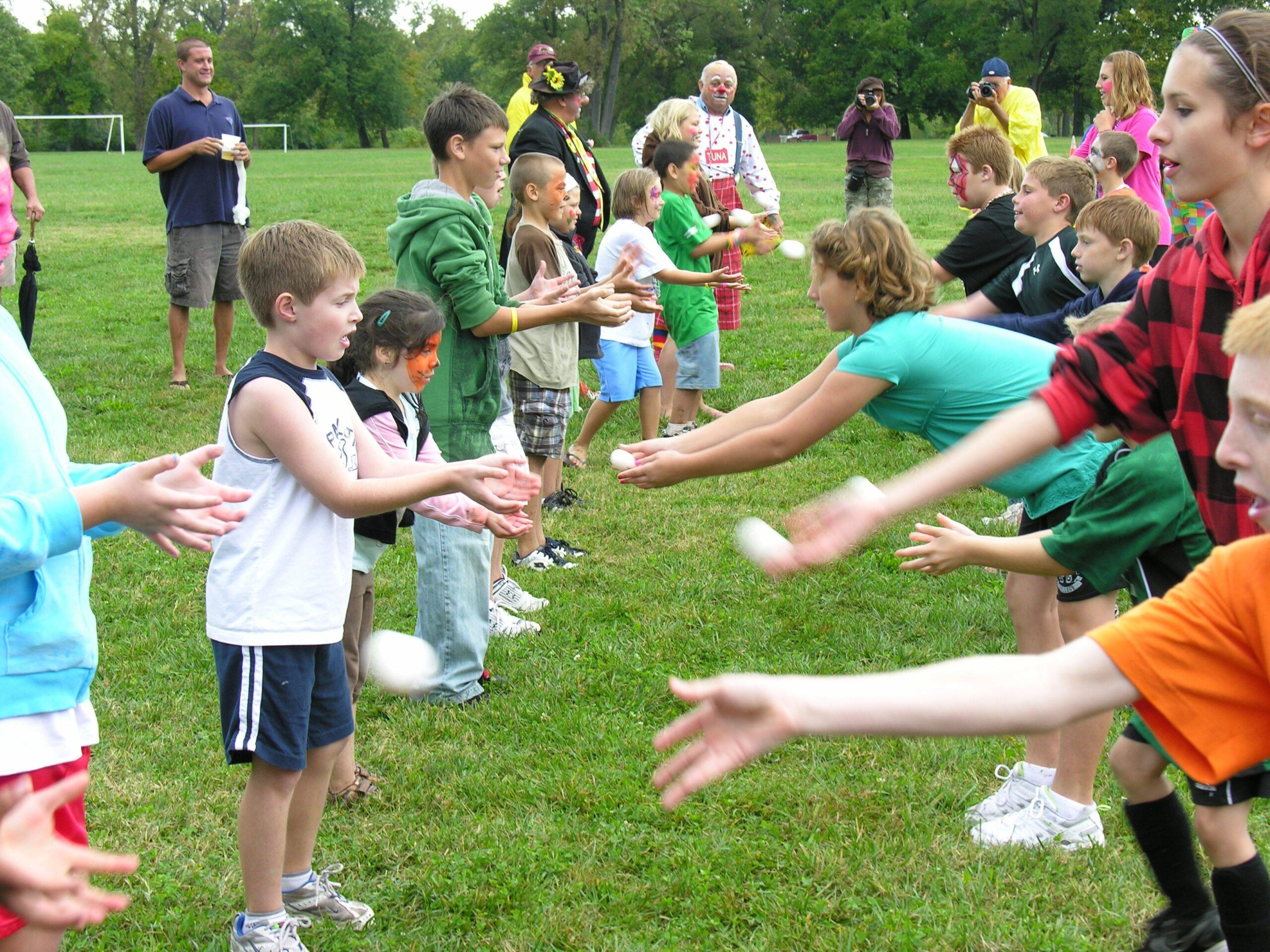

Social interactions play a key role in shaping individuals, especially when it comes to their confidence and communication skills. Group activities offer an excellent platform for individuals—especially students—to practice and enhance their social confidence. Whether it’s a group project, a sports team, or even an after-school program, engaging with others in a group setting provides valuable opportunities for social skill development.
At CIS Jax, we understand the significance of group activities in fostering social skills and building self-assurance. In this article, we will explore the role of group activities in improving social confidence, discuss the types of group activities beneficial for students, and highlight how after-school programs in Jacksonville, FL, can play a vital role in this development.
What Are Group Activities?
Group activities refer to any kind of interaction or task that involves two or more people working together towards a common goal. These activities can range from simple ice-breaker games to more structured tasks like collaborative projects or team sports. The idea is to engage with others in a way that requires cooperation, communication, and problem-solving. By participating in these activities, individuals, particularly students, learn how to work effectively with others, express themselves, and build relationships—all of which contribute to increased social confidence.
Why Social Confidence Matters
Social confidence is more than just feeling comfortable in social settings. It involves the ability to communicate effectively, understand social cues, and build meaningful relationships. For students, developing social confidence is crucial for both academic and personal growth. It allows them to engage with peers, contribute to class discussions, make friends, and navigate social situations in a healthy, positive way.
While some students may naturally be more outgoing, many find it challenging to express themselves in group settings. This is where group activities come into play. These activities provide a safe environment for students to practice social skills, which, over time, help them become more confident in their ability to interact with others.
Group Activities and Student Social Skill Development
The Importance of Student Social Skill Development
Developing social skills early on can have a lasting impact on students’ personal and academic success. Social skills are essential for building friendships, resolving conflicts, and even succeeding in professional environments. Without these skills, students may struggle to navigate social situations, which could affect their self-esteem and ability to perform well in school.
How Group Activities Aid Social Skill Development
- Communication Skills: Group activities require participants to listen, share ideas, and engage in discussions. By practicing communication in a group setting, students learn how to articulate their thoughts clearly, listen actively, and respond appropriately.
- Collaboration: Working in a group encourages students to collaborate and share responsibilities. This helps them understand how to work as a team, value others’ perspectives, and compromise when necessary.
- Conflict Resolution: Conflicts are inevitable in group settings. However, group activities teach students how to handle disagreements respectfully, negotiate, and find solutions that benefit everyone involved.
- Empathy and Understanding: Group activities expose students to diverse viewpoints and personalities. This fosters empathy, helping students understand and relate to others on a deeper level.
Types of Group Activities for Social Confidence
Numerous types of group activities can improve social confidence. Here are a few examples:
Team Sports
Sports like soccer, basketball, or volleyball require communication, teamwork, and problem-solving. Students must work together to achieve a common goal, learning how to collaborate effectively under pressure. The competitive aspect of sports also encourages students to handle wins and losses with grace, further building their social confidence.
Group Discussions and Debates
Participating in group discussions or debates is another excellent way to improve social confidence. These activities challenge students to express their opinions, listen to others, and think critically. They also promote respectful dialogue and the ability to engage with differing viewpoints.
Collaborative Projects
Group projects are common in schools, and they provide an ideal setting for students to practice teamwork and communication. Whether it’s a science experiment, a history presentation, or a creative arts project, these activities encourage students to contribute their strengths to the group’s success.
Icebreaker Games
Icebreaker games are often used at the beginning of group activities to help participants get to know each other. These activities help ease the initial awkwardness and make students feel more comfortable in social settings. Examples include “Two Truths and a Lie” or “Human Knot,” where students share facts about themselves or work together to solve a puzzle.
CIS Jax is one example of an organization that provides students with the chance to develop their social confidence through well-structured after-school programs. Whether it’s through collaborative learning experiences or group challenges, these programs foster an environment where students can practice and build upon their social skills outside of the classroom.
The Benefits of Group Activities
- Safe Environment for Socializing: After-school programs provide a relaxed and supportive setting for students to practice their social skills. Since these programs take place outside of the academic setting, students may feel more comfortable engaging with peers in a less formal atmosphere.
- Diverse Peer Interactions: In after-school programs, students often meet peers from different schools and backgrounds. This diversity provides an excellent opportunity for them to develop empathy, learn new perspectives, and form new friendships.
- Reduced Social Anxiety: For students who experience social anxiety, after-school programs can be a great way to gradually build confidence. By participating in group activities, they can slowly overcome their fear of social situations and become more comfortable in group settings.
- Increased Self-Esteem: As students develop their social skills through group activities, they often experience a boost in self-esteem. Completing a group project or winning a team game can help students feel proud of their achievements, which contributes to improved social confidence.
Group Activities for Social Confidence: Tips for Parents and Educators
Encourage Active Participation
Encourage students to actively participate in group activities. While it’s natural for some students to be more reserved, pushing them to take part in group discussions, team games, or collaborative projects can help them overcome their hesitation. Positive reinforcement and gentle encouragement can go a long way in building confidence.
Provide Opportunities for Reflection
After participating in a group activity, encourage students to reflect on their experiences. Ask them questions like, “What did you enjoy about the activity?” or “What did you learn from working with others?” This allows students to assess their social growth and identify areas they can improve upon.
Create a Supportive Environment
A supportive and inclusive environment is key to helping students develop social confidence. Whether it’s in a classroom, sports team, or after-school program, ensure that all students feel welcome and valued. Recognizing individual strengths and offering constructive feedback can help students build confidence without feeling judged.
Foster Positive Group Dynamics
Encourage positive group dynamics by promoting respect, cooperation, and active listening. Students should understand that the goal of group activities is not just to achieve the task but also to build relationships and learn from each other.
Celebrate Achievements
Celebrating successes, big or small, is essential for boosting social confidence. Whether it’s through a simple “good job” or a formal recognition, celebrating achievements in group activities helps students feel proud of their contributions and motivates them to participate more actively in the future.
FAQs
1. How do group activities help improve social confidence in students?
Group activities provide a structured setting where students can practice communication, teamwork, and problem-solving. These activities encourage interaction with peers, helping students overcome social anxieties, express themselves, and build stronger relationships. Over time, regular participation boosts their confidence in both social and academic settings.
2. What types of group activities are most effective for developing social confidence?
Team sports, group discussions, collaborative projects, and icebreaker games are some of the most effective group activities for enhancing social confidence. These activities require students to interact with peers, express their ideas, listen actively, and work together to achieve a common goal, all of which promote social skill development.
3. How can after-school programs help improve social confidence in students?
After-school programs offer a relaxed environment for students to engage in group activities that foster social skill development. These programs often provide opportunities to meet new people, work on team projects, and participate in activities that build teamwork, communication, and problem-solving skills—all contributing to higher social confidence.
4. What should parents do to encourage their children to participate in group activities?
Parents can encourage their children by providing positive reinforcement and ensuring they feel supported in new social settings. Encouraging active participation, providing opportunities for reflection after group activities, and celebrating achievements can help students gradually build their social confidence in a comfortable, low-pressure environment.
Conclusion
Group activities are an invaluable tool for improving social confidence, especially for students. By participating in group activities, students not only enhance their social skills but also develop a sense of belonging, self-esteem, and empathy. Whether it’s through team sports, group discussions, or after-school programs in Jacksonville, FL, group activities provide a unique opportunity for social skill development.
At CIS Jax, we are committed to helping students grow socially and emotionally through structured and engaging group activities. By providing a supportive environment for students to practice and refine their social skills, we ensure that they are well-prepared to face the challenges of the future with confidence.
Remember, social confidence is not something that develops overnight, but with the right group activities and consistent practice, every student can learn to interact with others positively and confidently.
Related Tag: Child Literacy Improvement Program